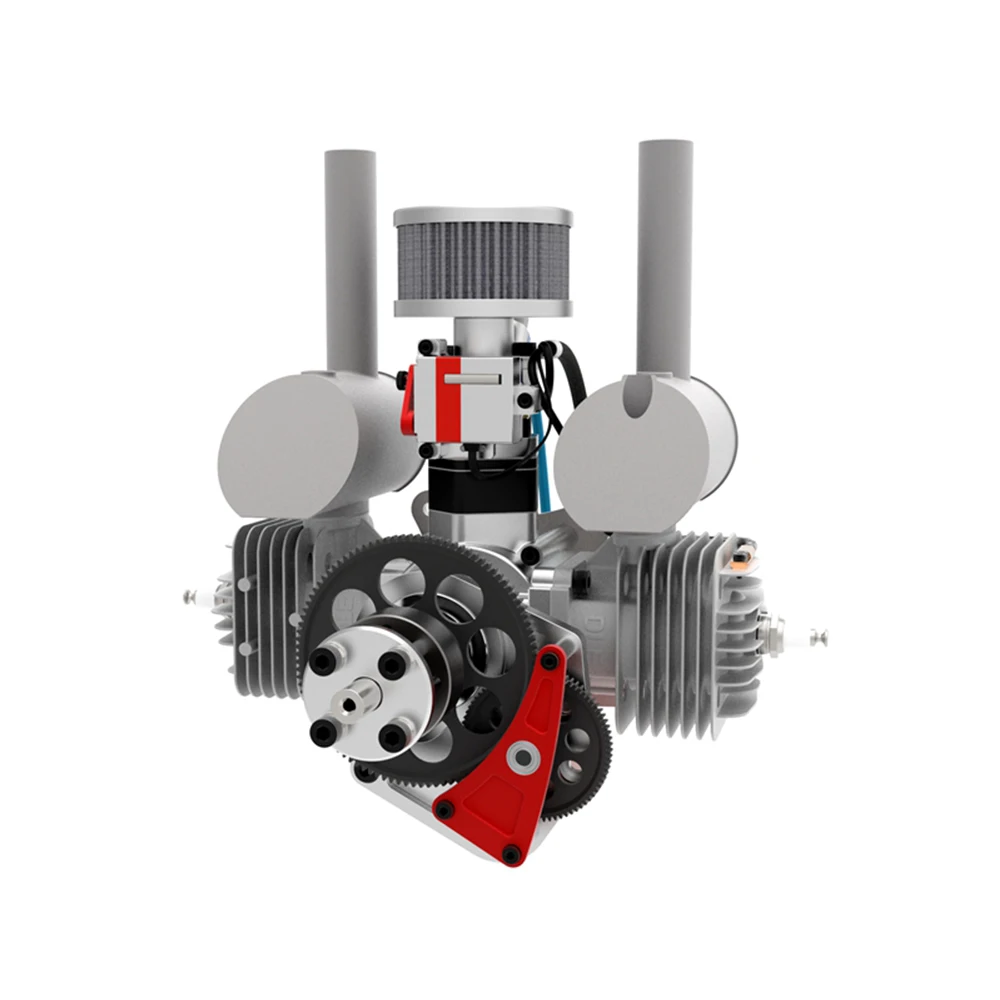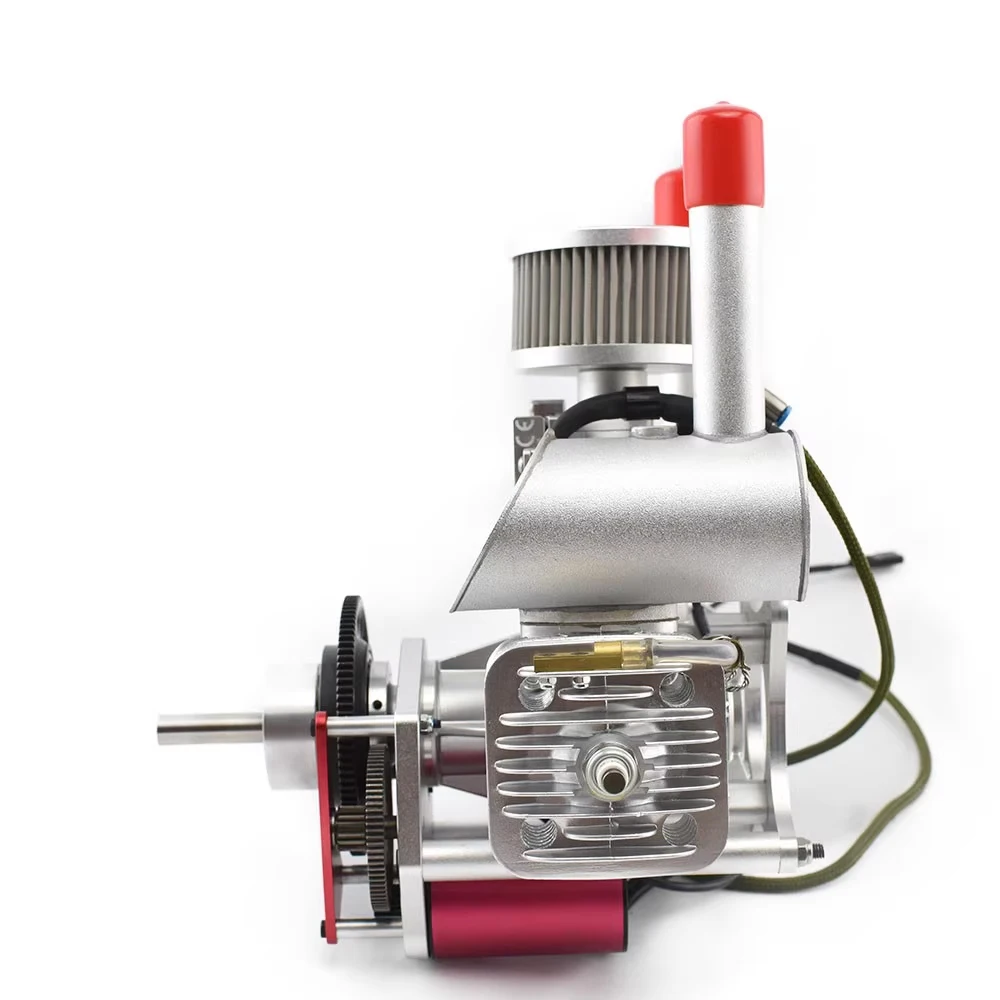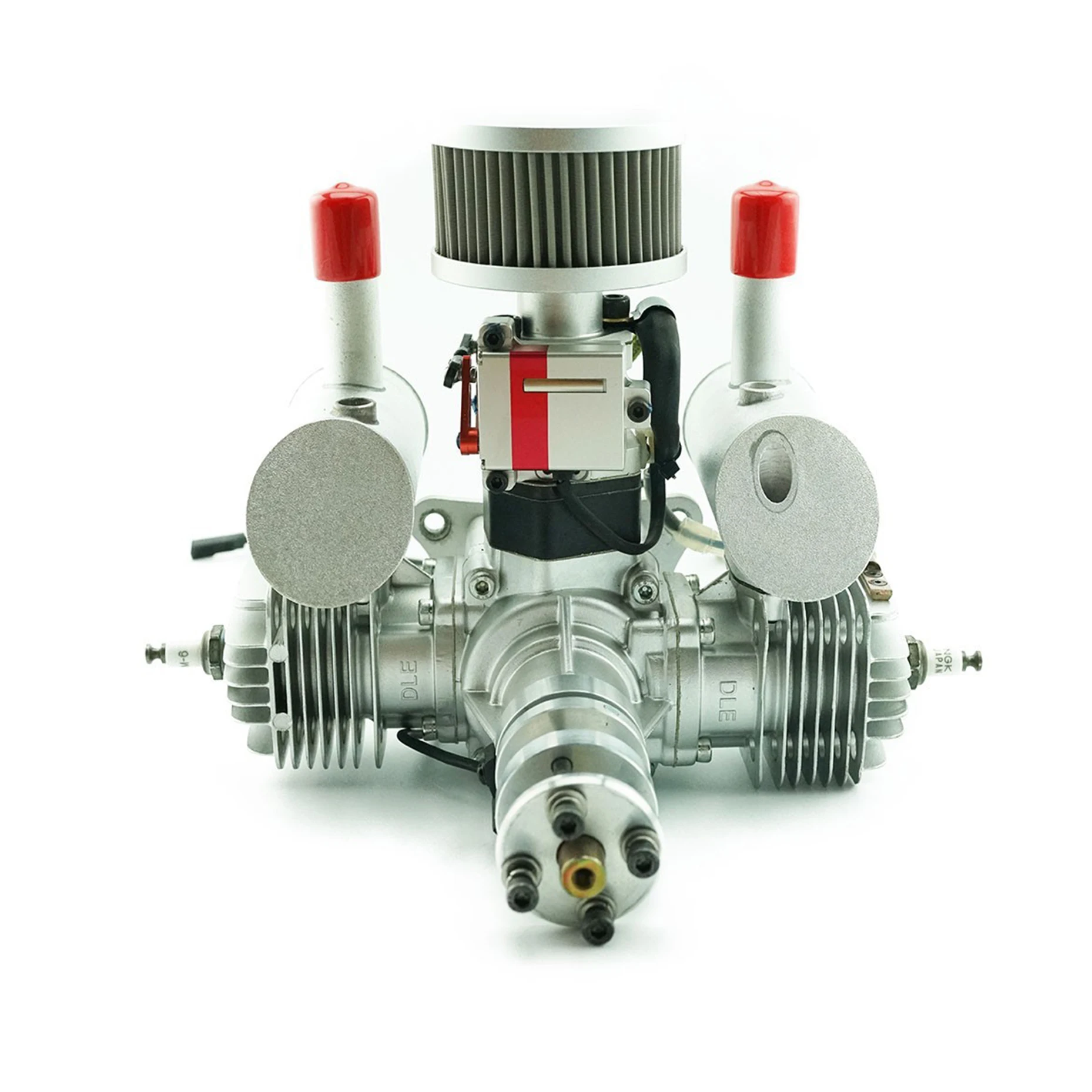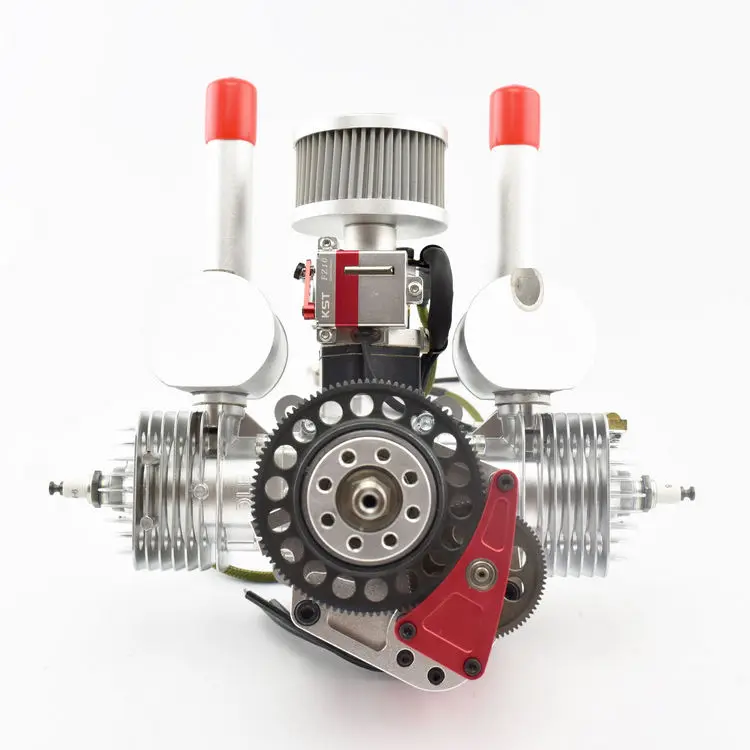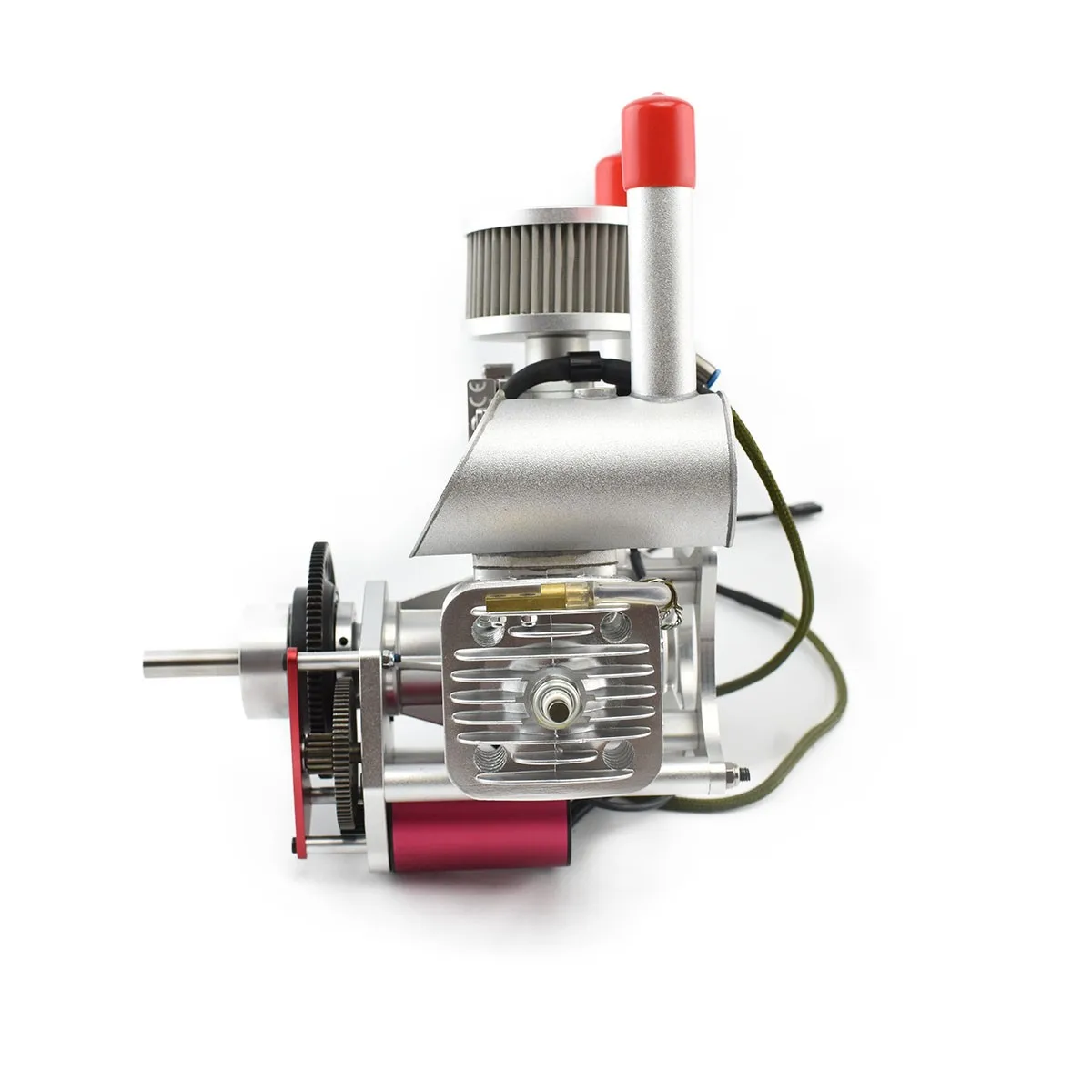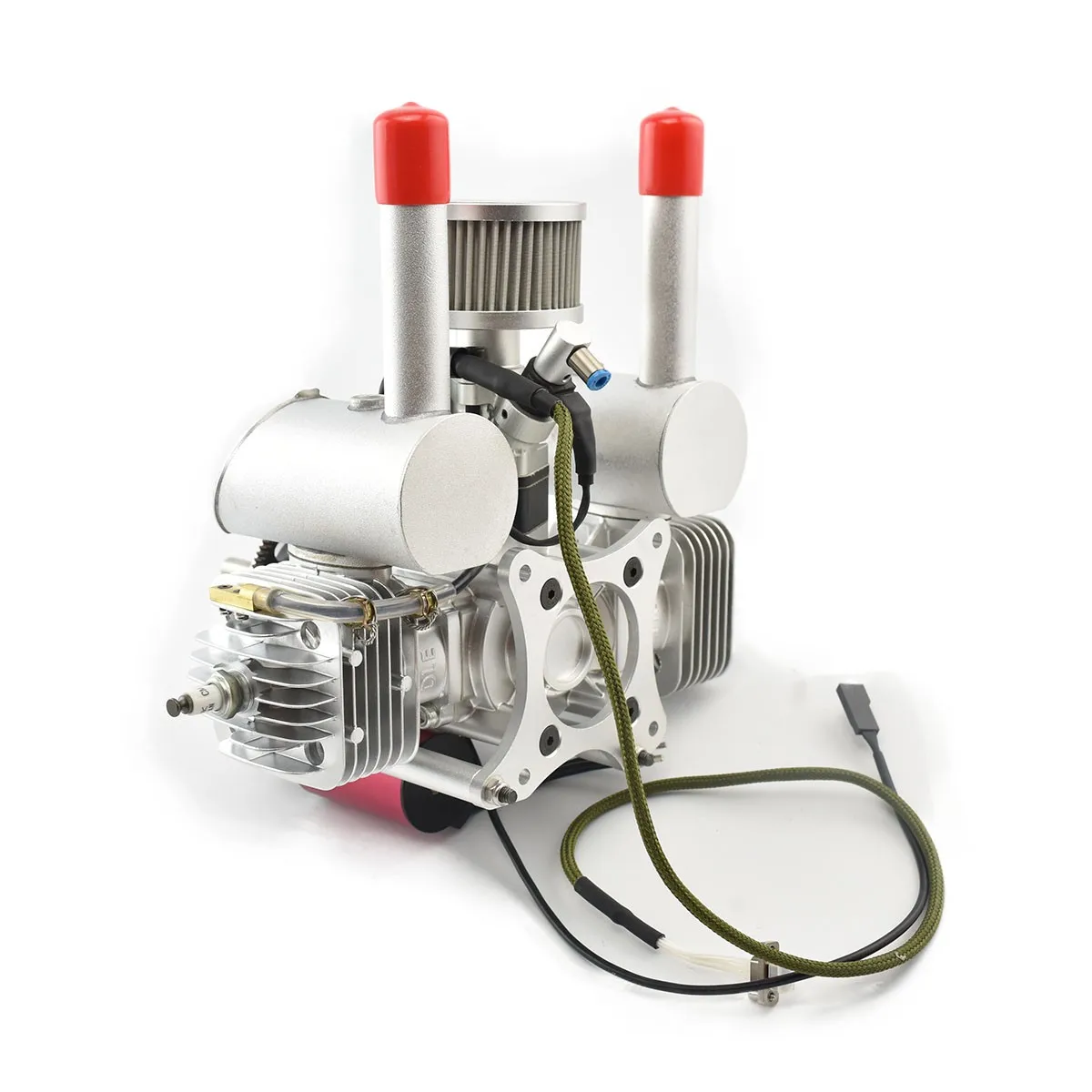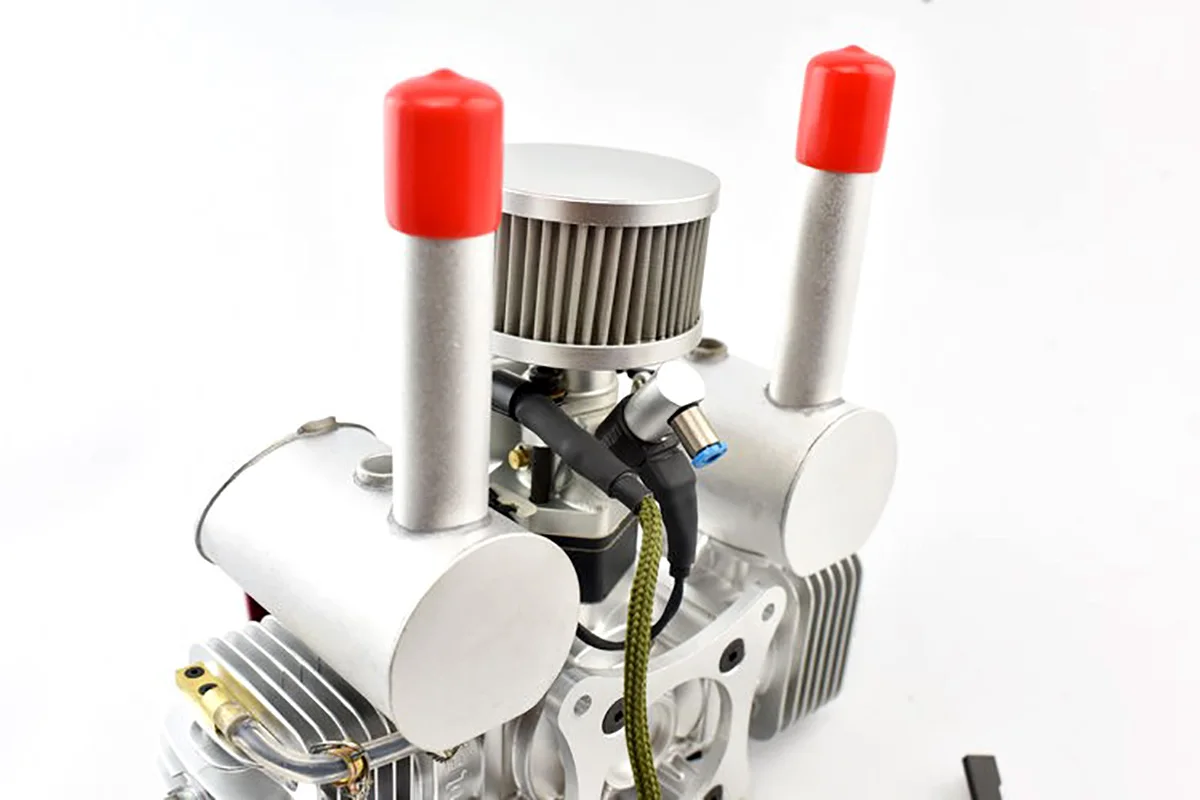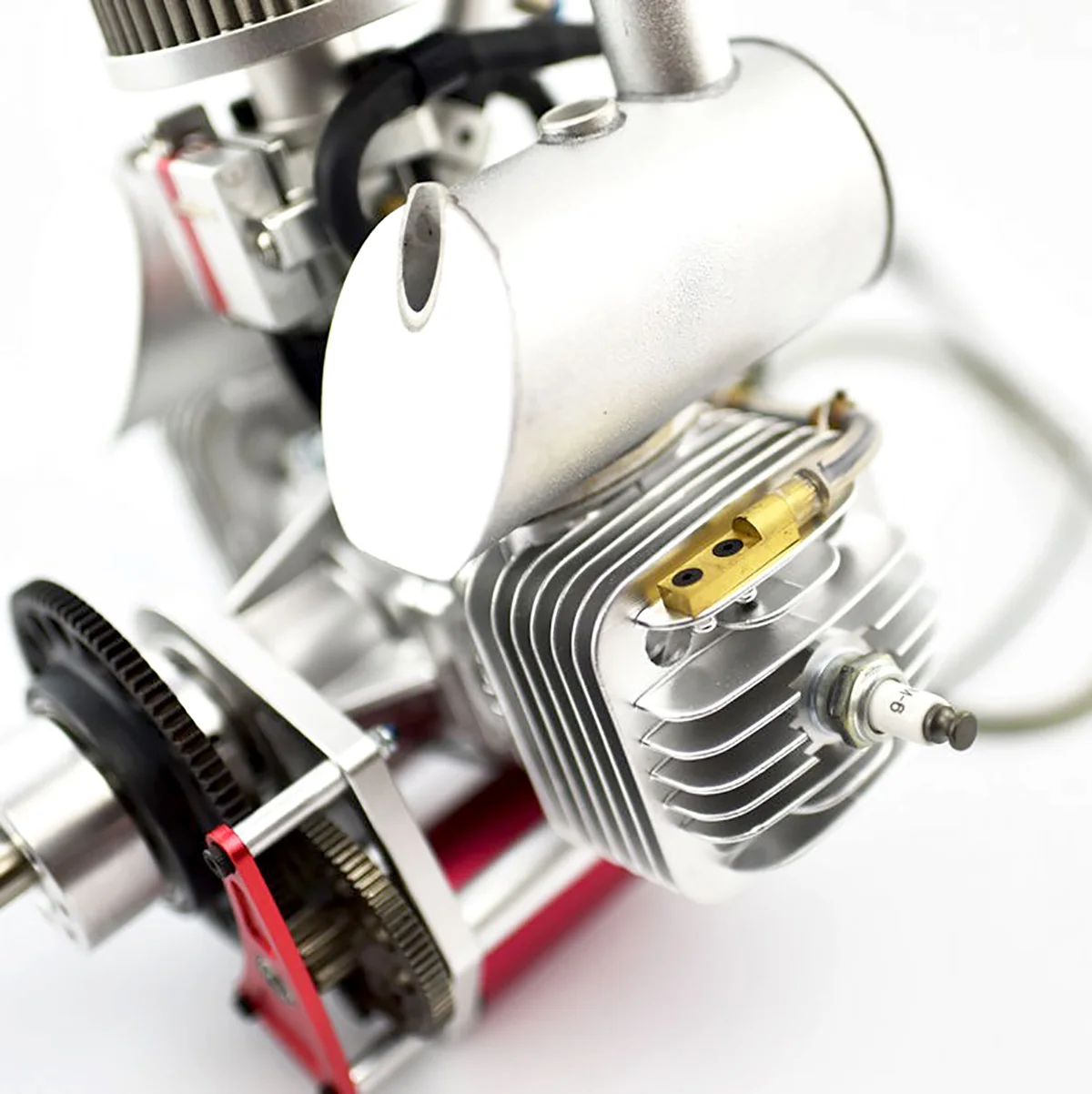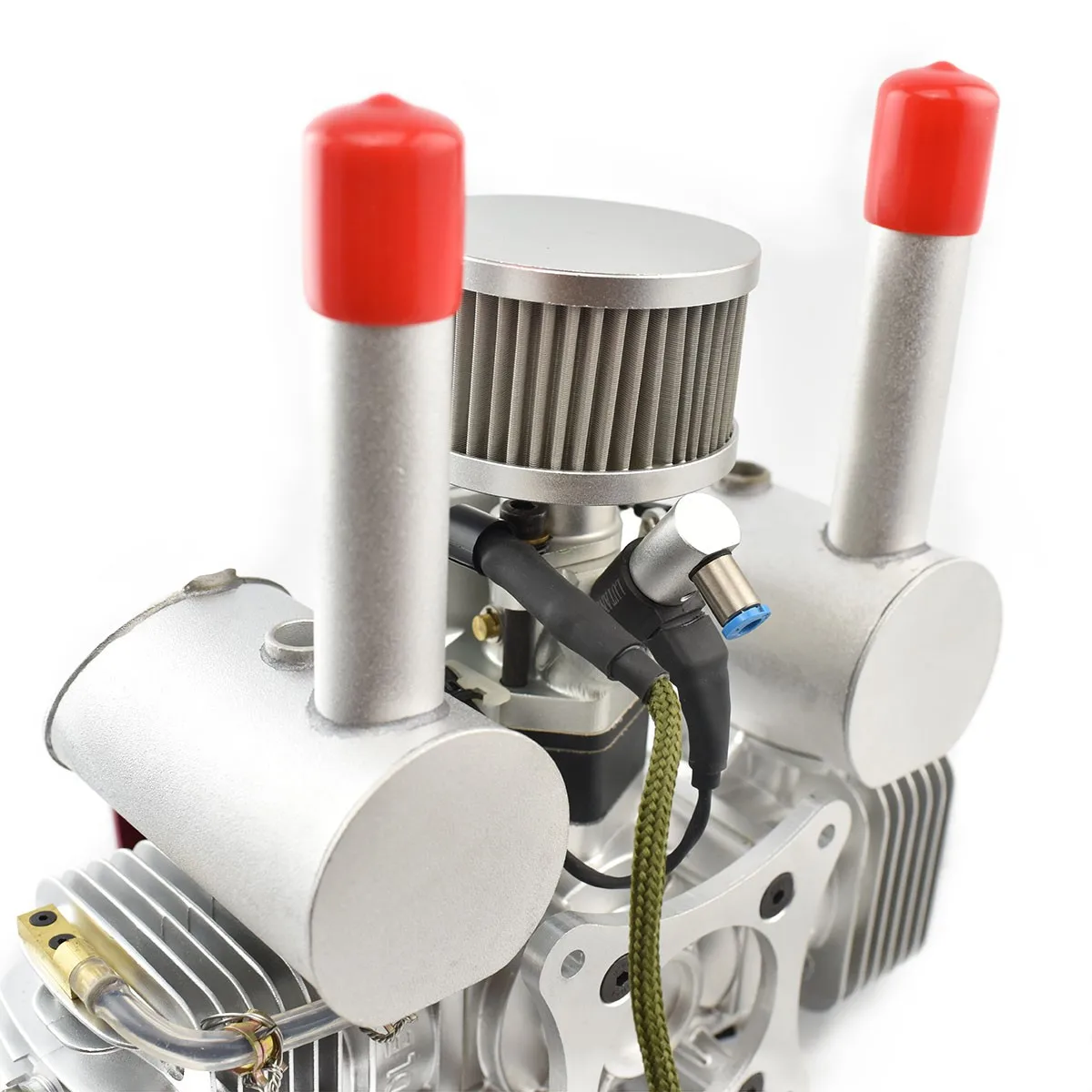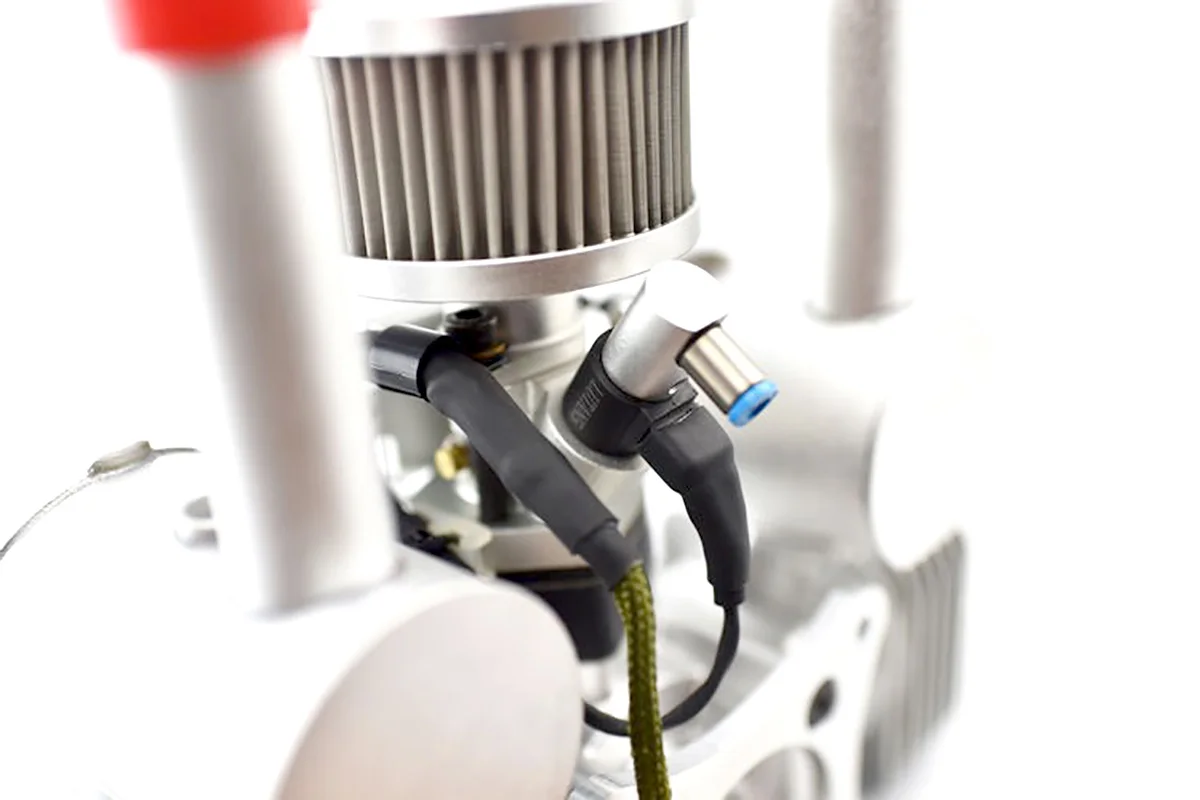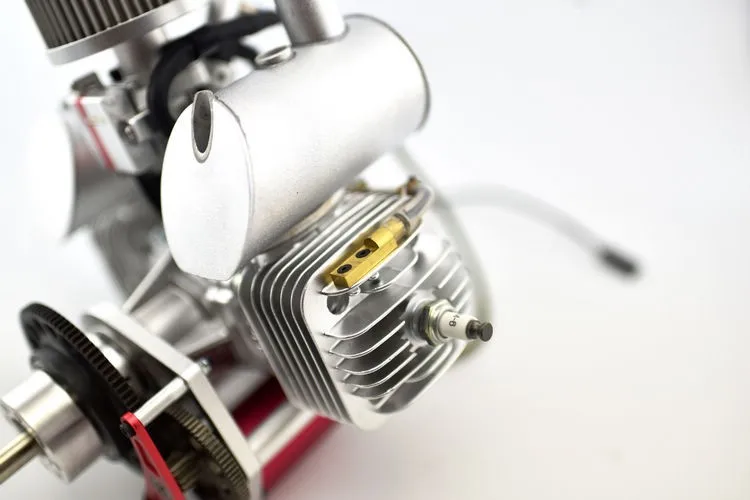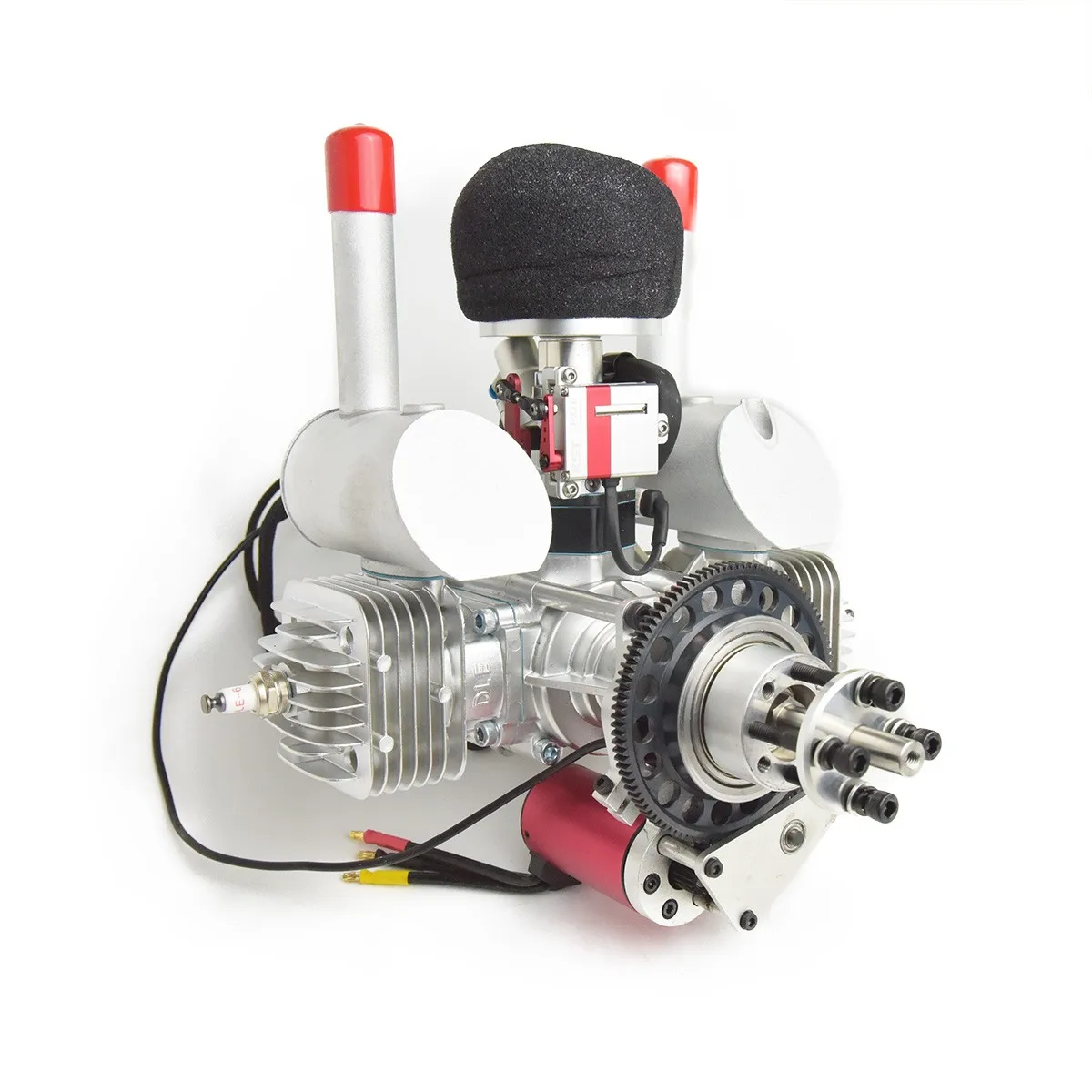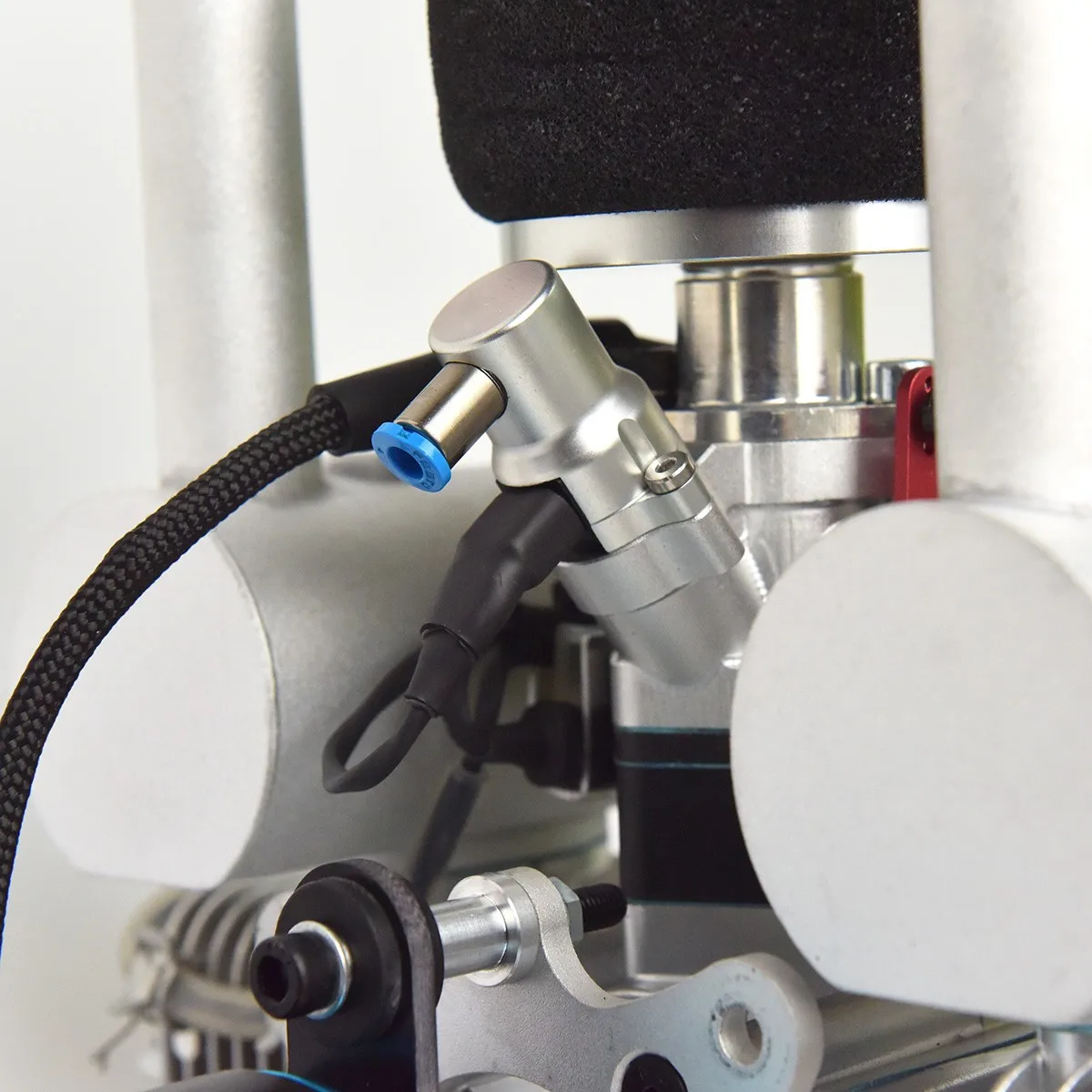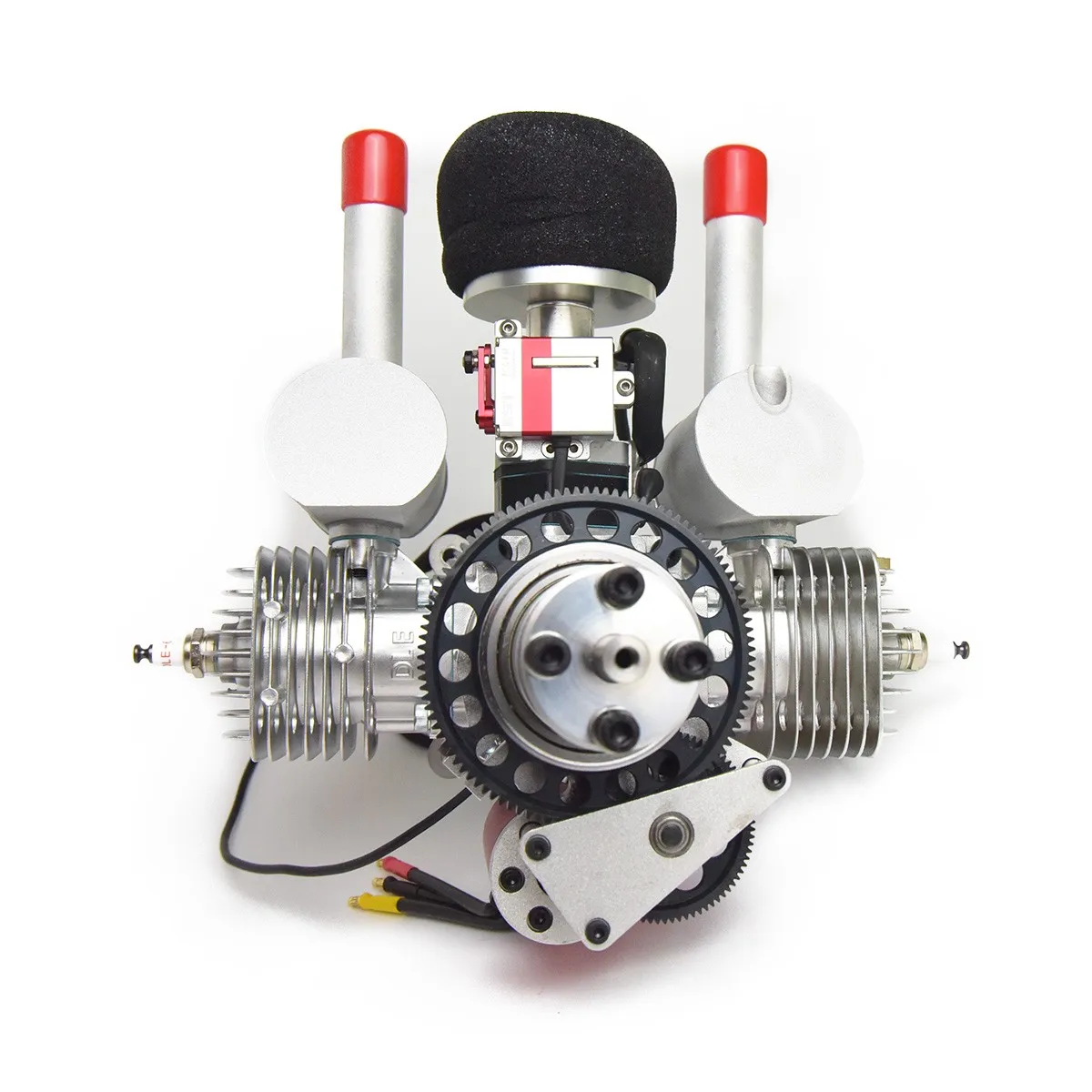


DLE60 EFI Electric Jet Fuel Engine Aircraft Model Electric Starter Generator RC Fixed-wing UAV Engine
Tax included.
Brand Name : DLE
Note: This product is not suitable for beginners. A basic understanding of model aircraft and drones is required. Please ask customer service for a user manual before purchasing to ensure you are proficient in the product.
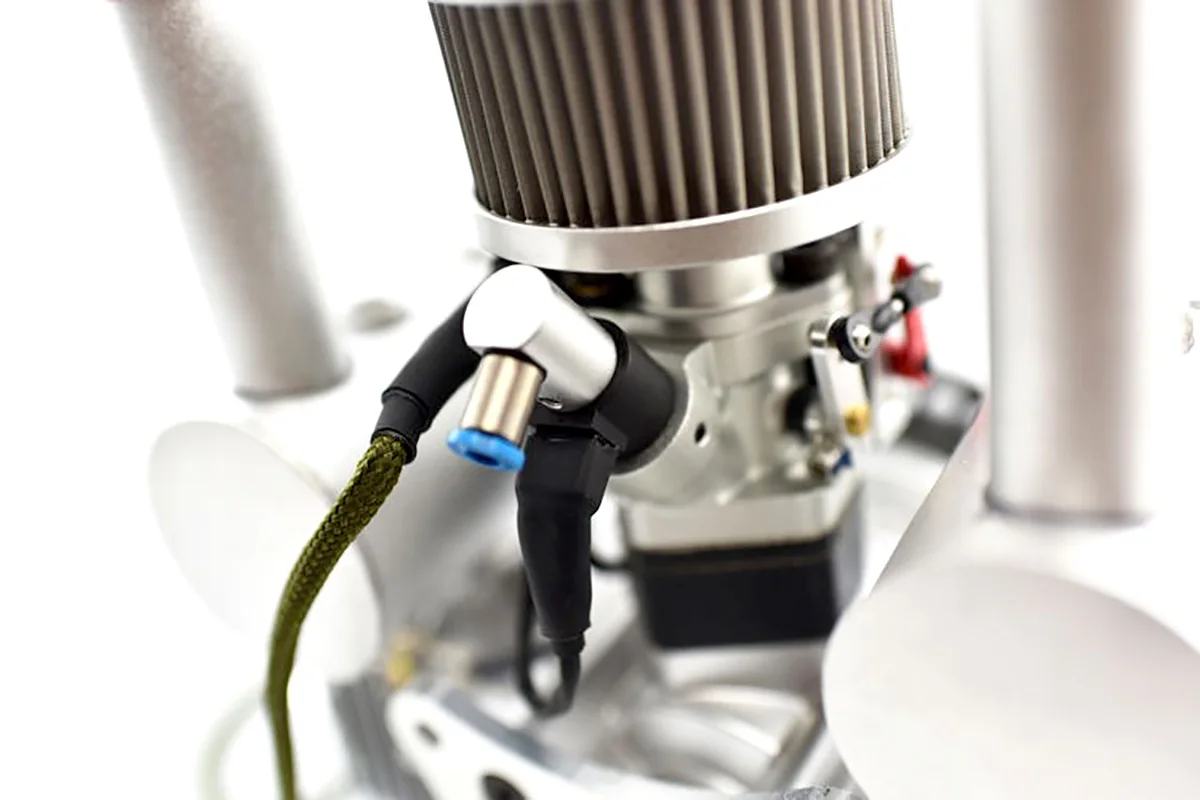
Advantages of Electronic Fuel Injection (EFI):
1. Lower fuel consumption
2. Greater power
3. Higher reliability
4. Good starting performance
5. Full altitude compensation
All engines undergo factory testing and a two-hour run-in period, allowing for immediate installation and operation without any parameter adjustments. (Under special circumstances, delivery may take approximately seven business days.)
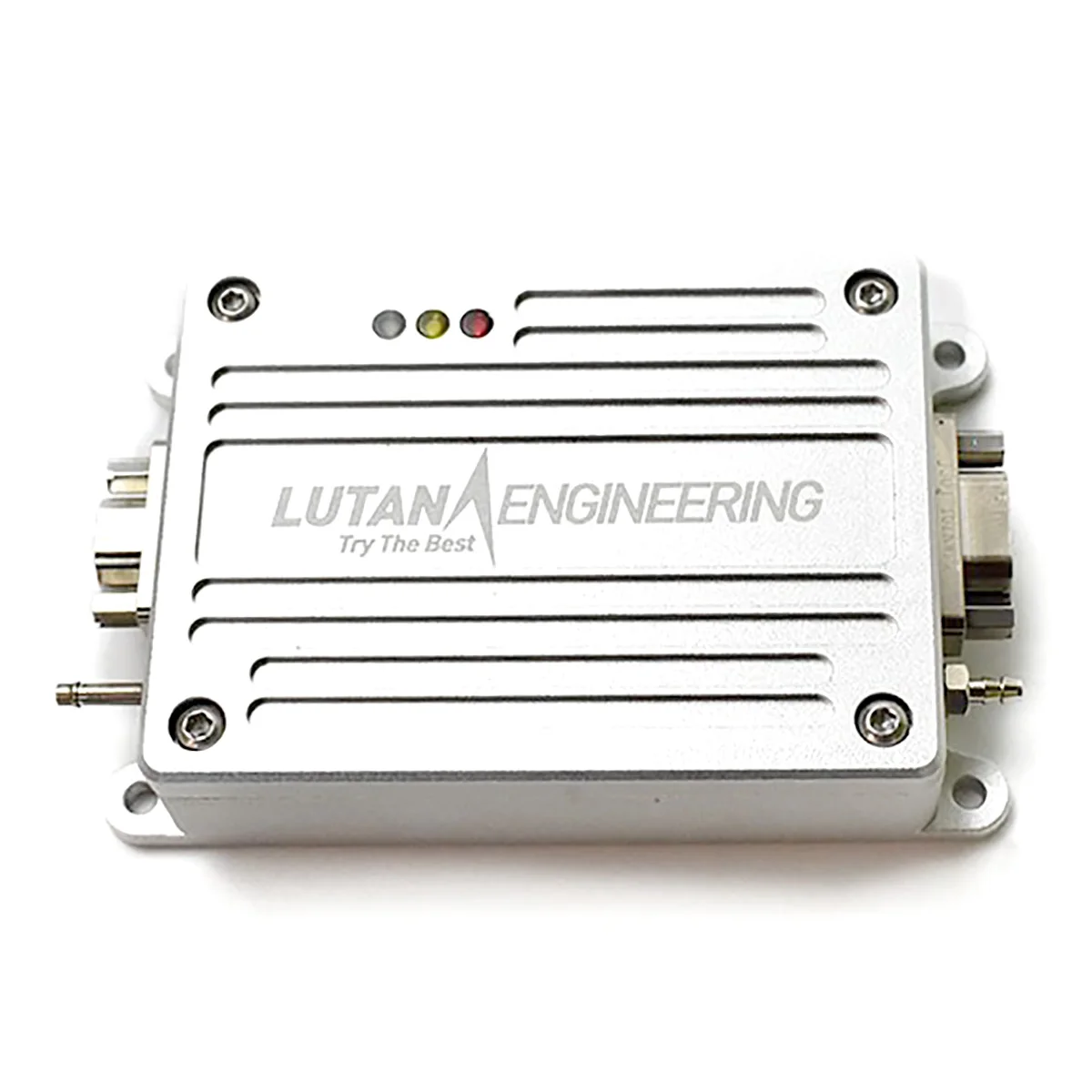
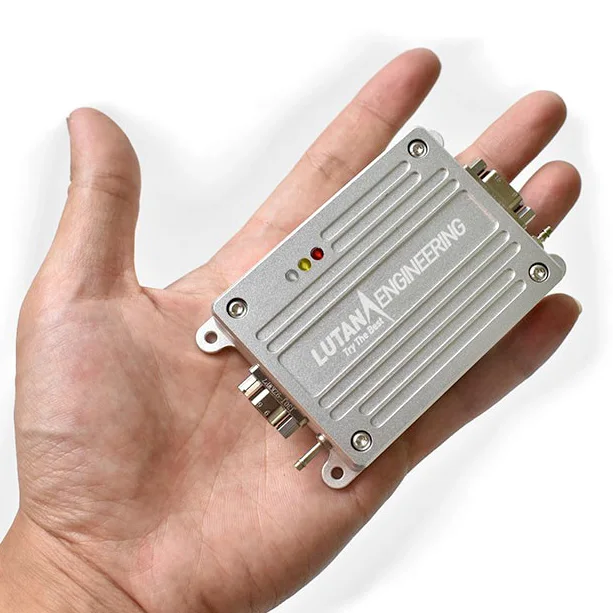
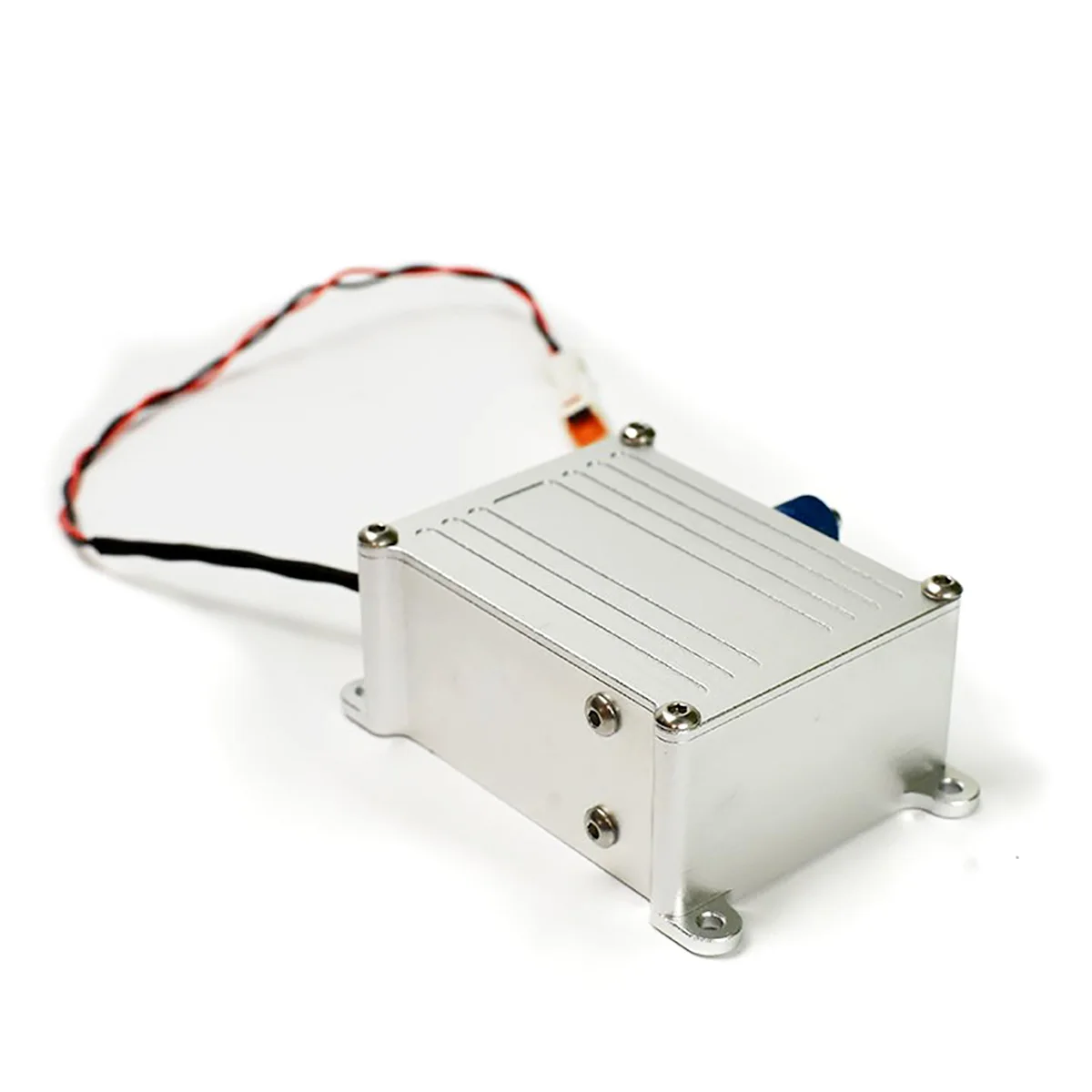
ECU Weight: 110g
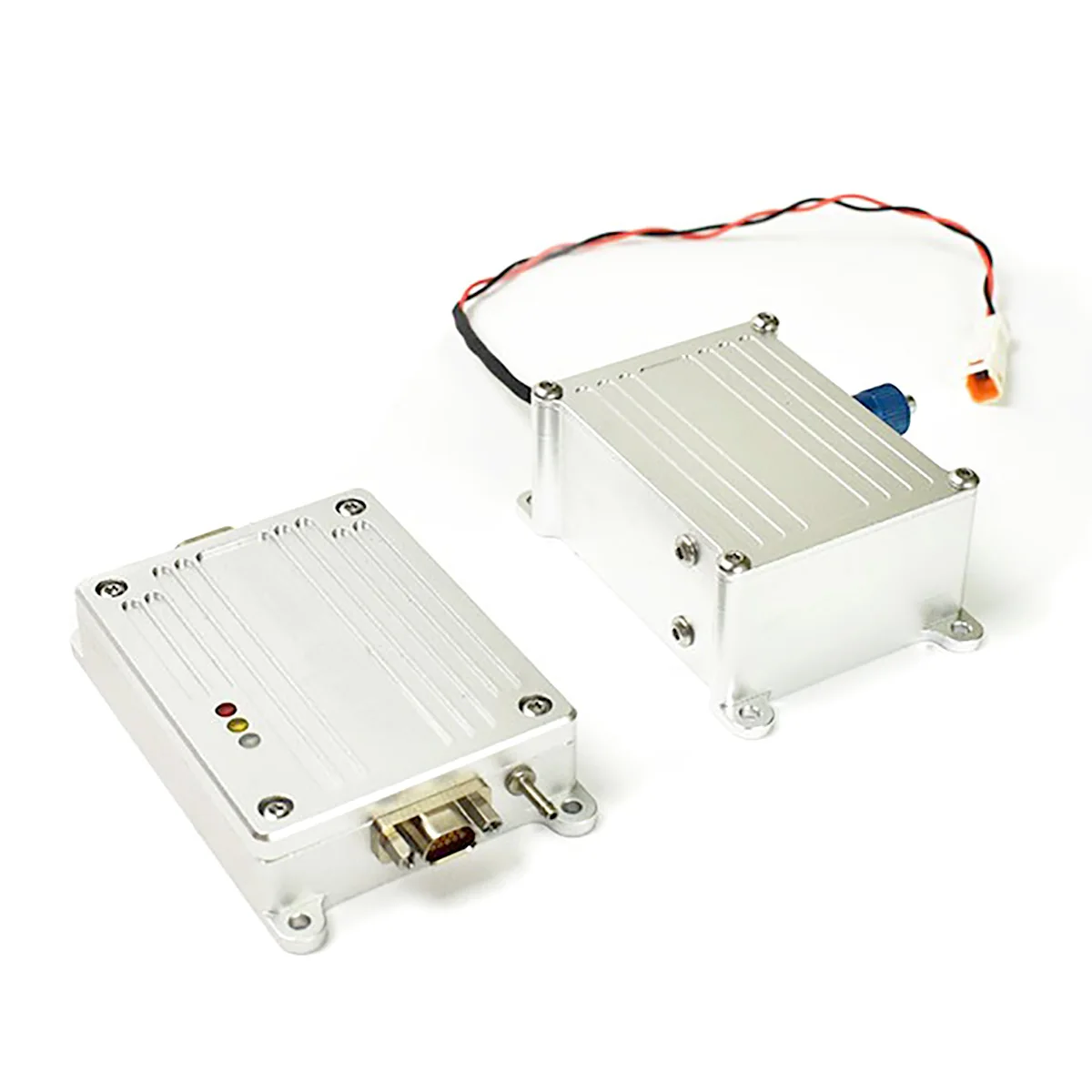
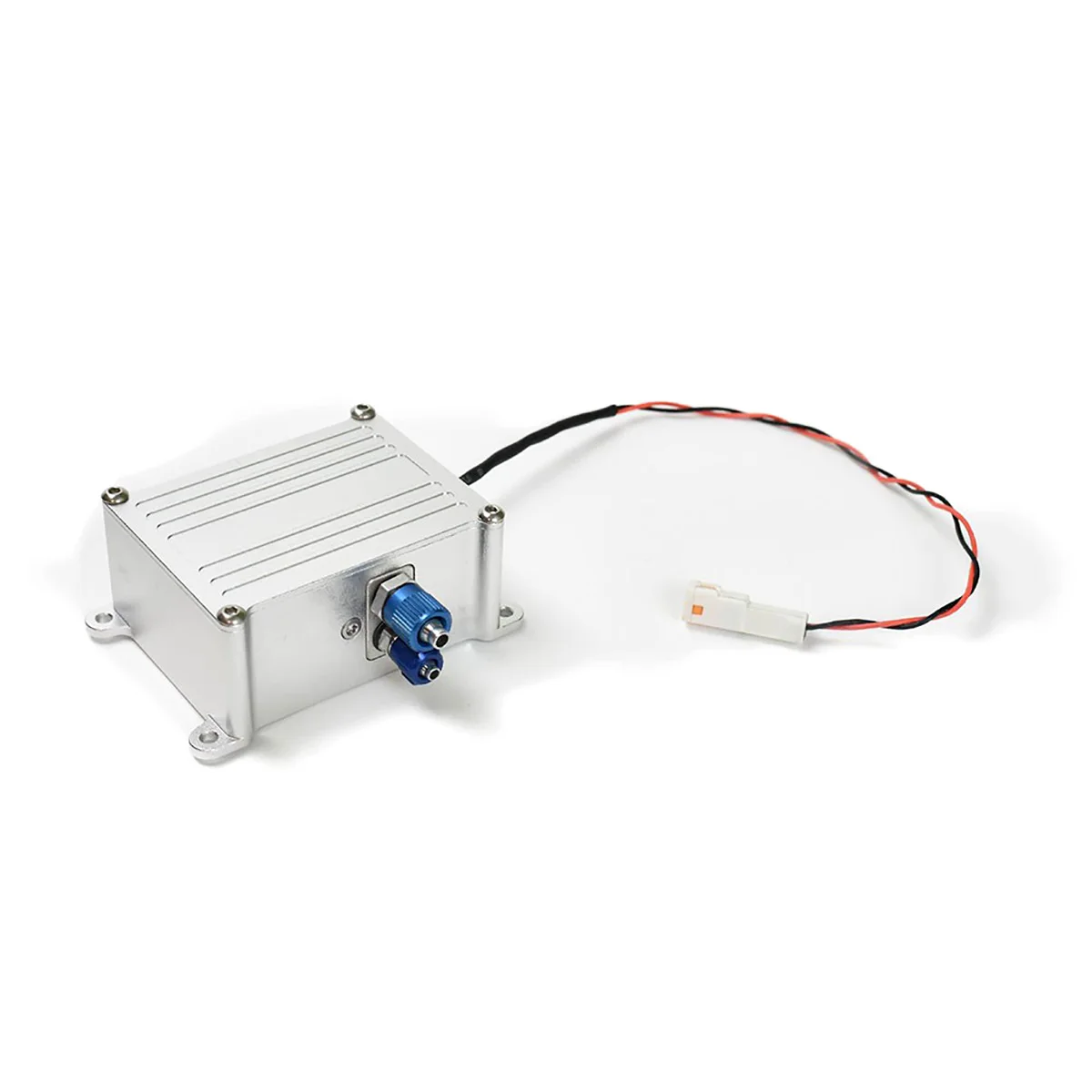
Oil Pump Weight: 180g
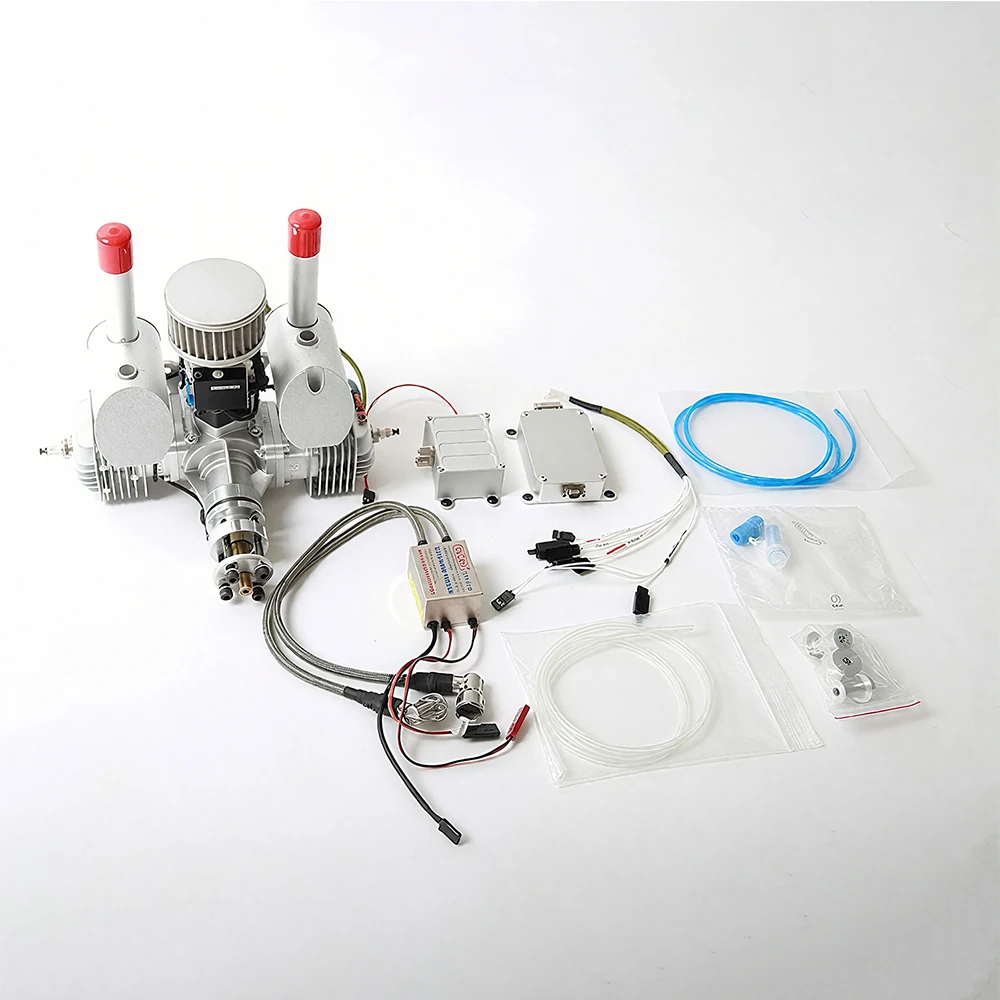
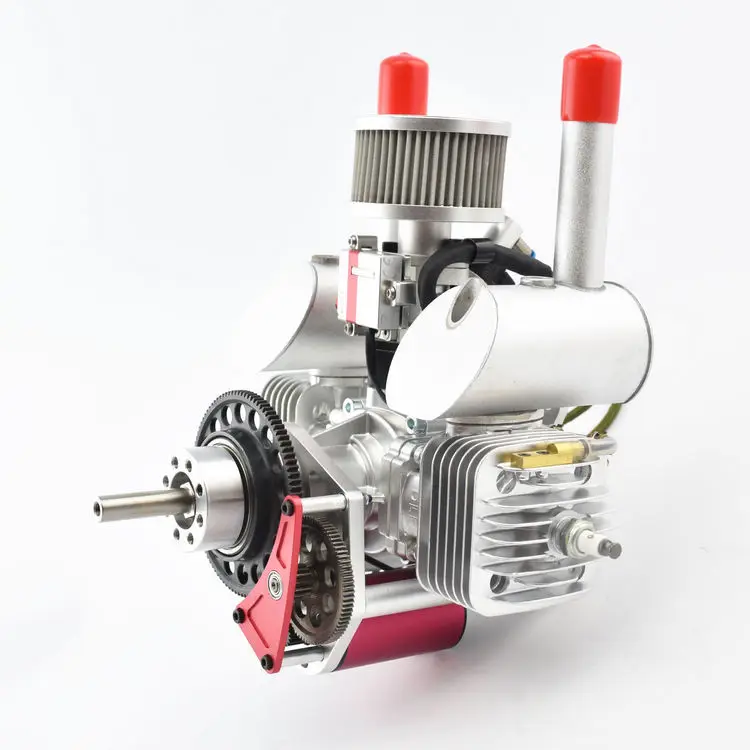
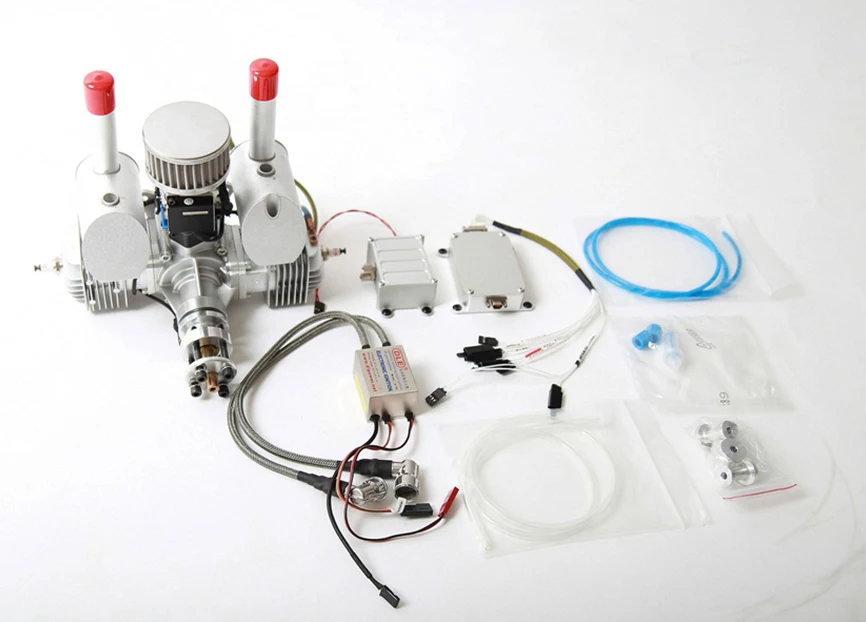
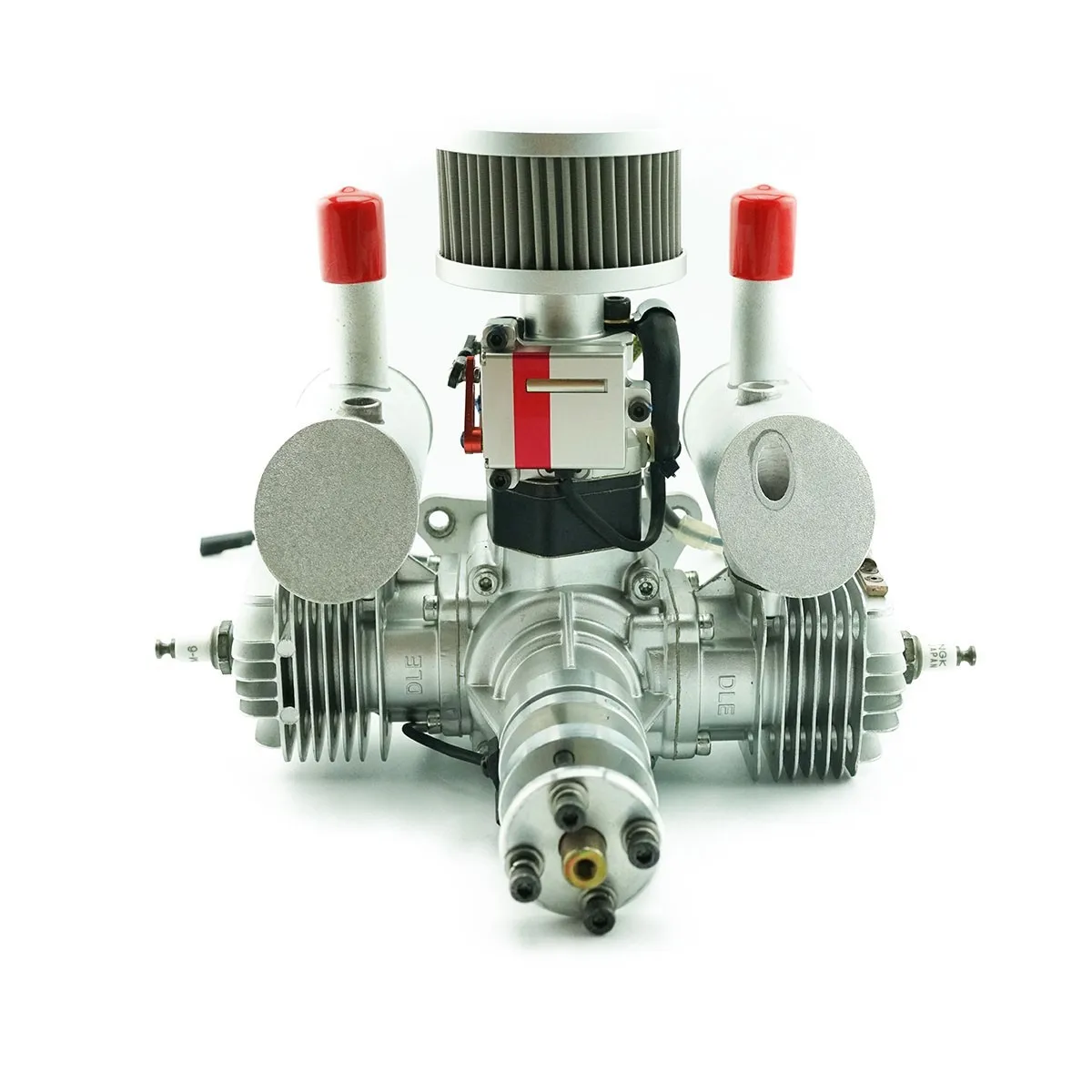
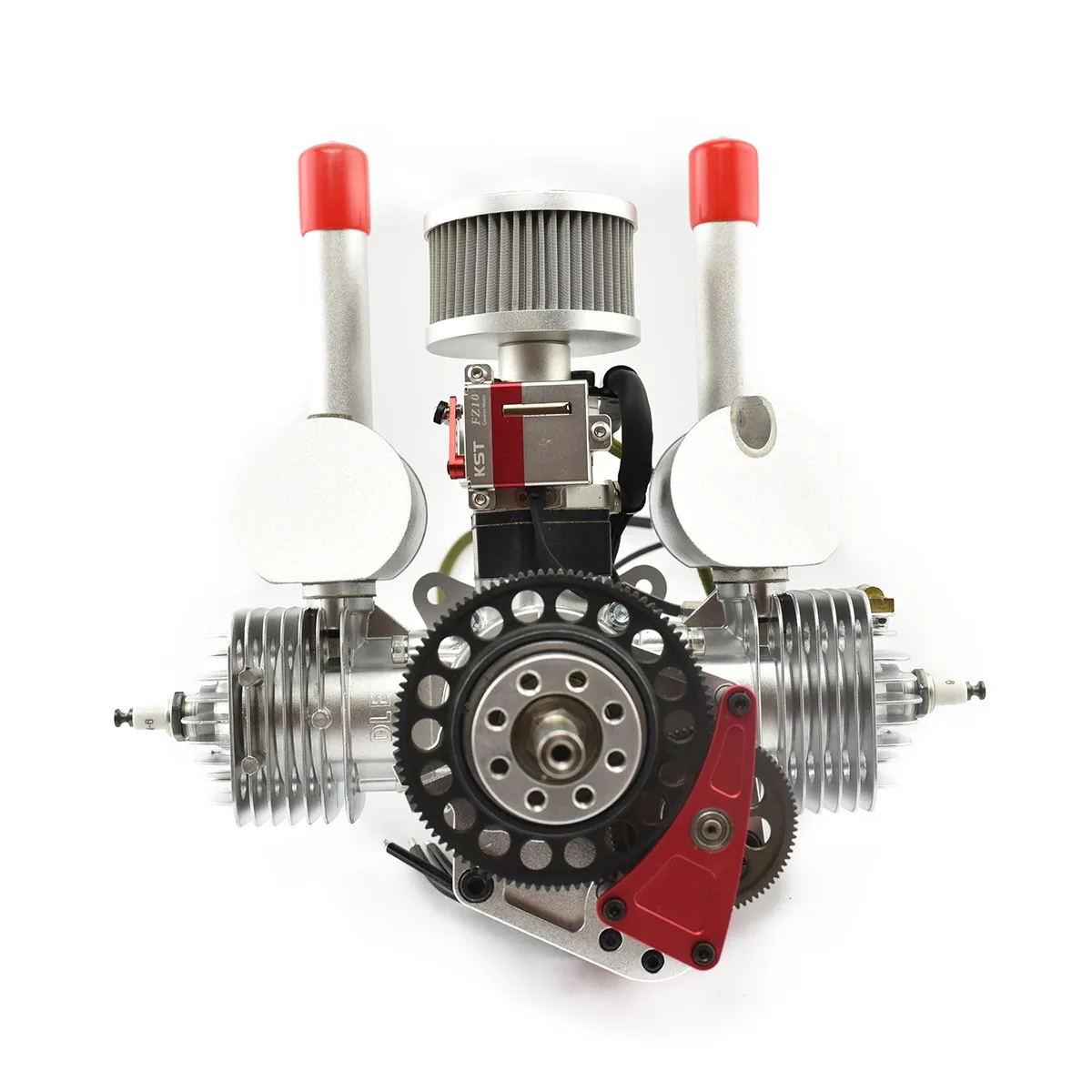
Includes: DLE60 engine body *1 (standard version, generator version)
CDI ignition module *1
ECU controller *1
High-pressure fuel pump *1
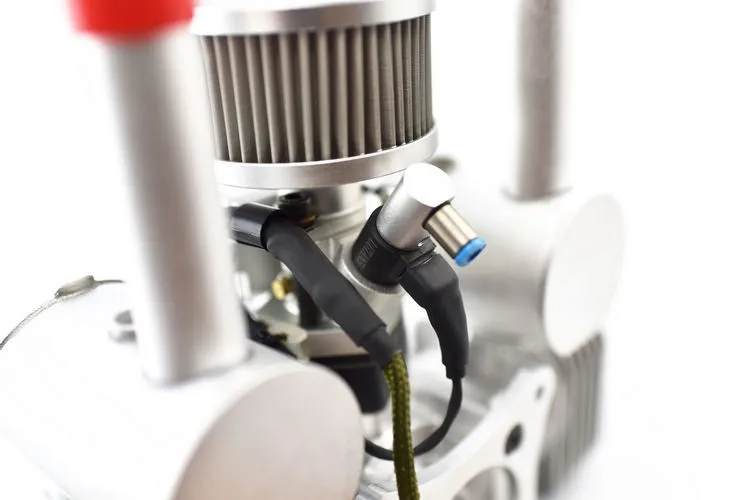
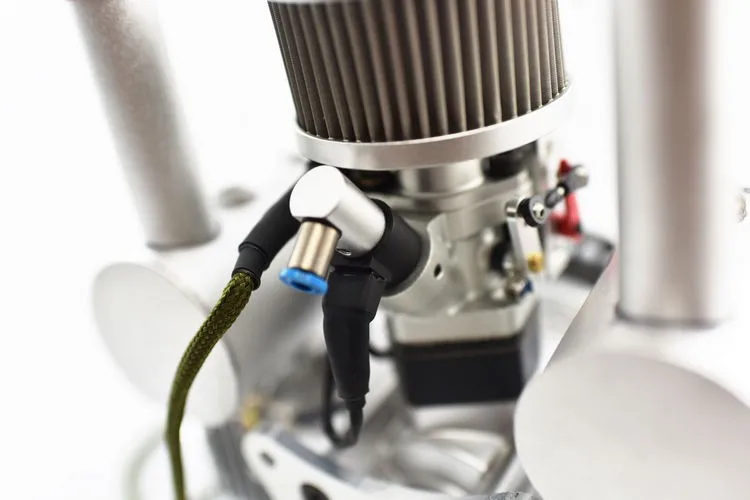
Wiring harness and accessories *1
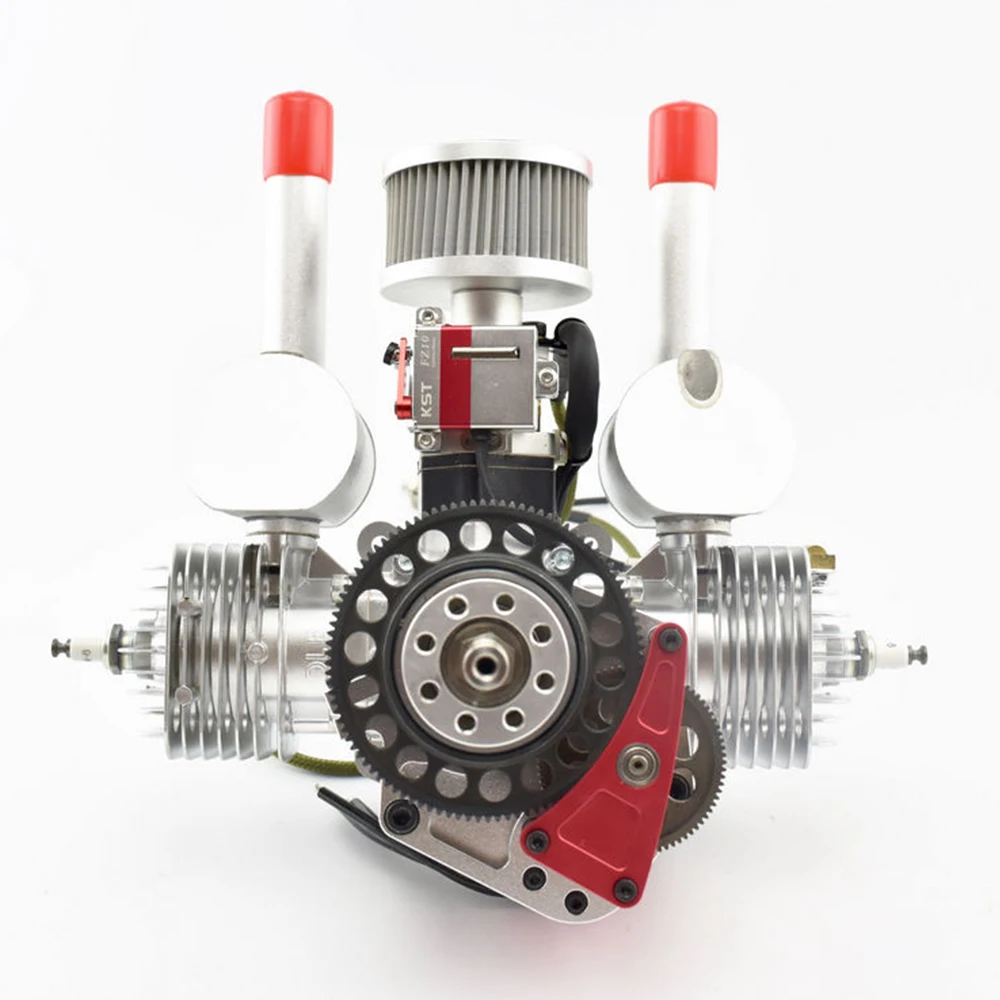
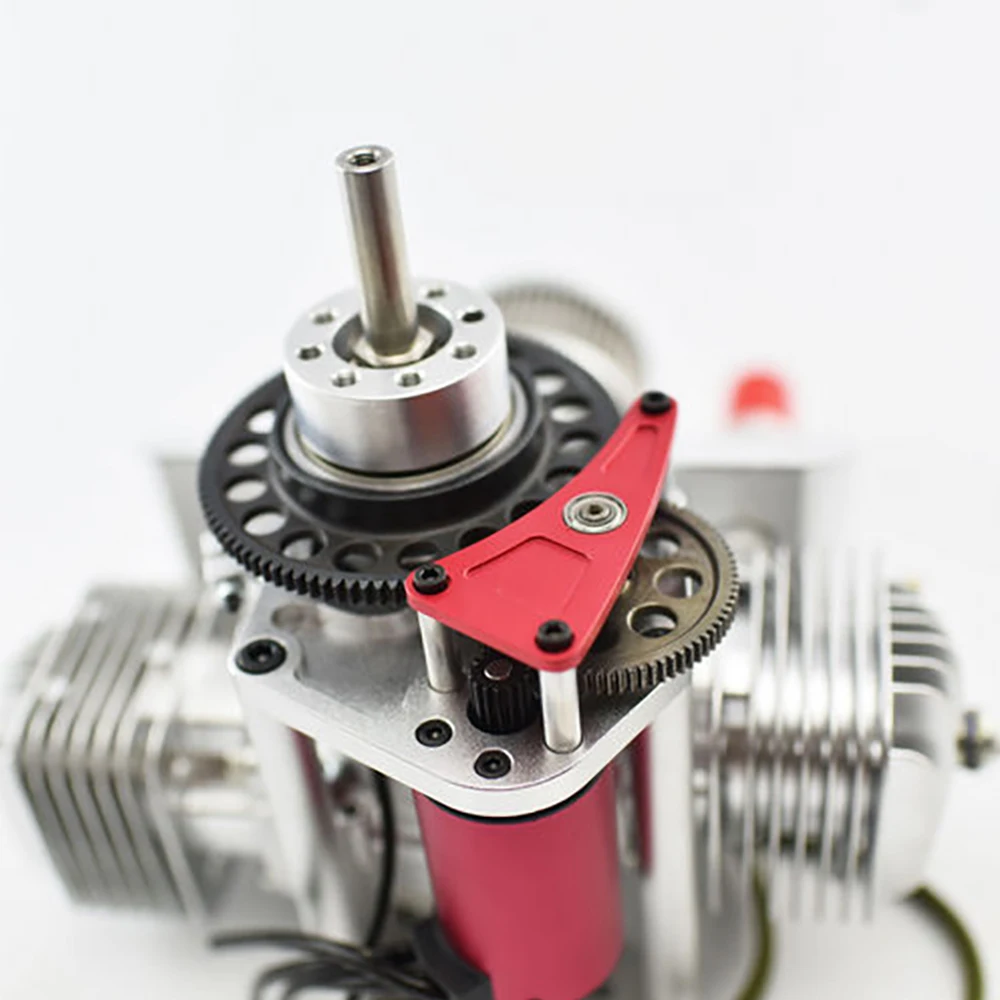
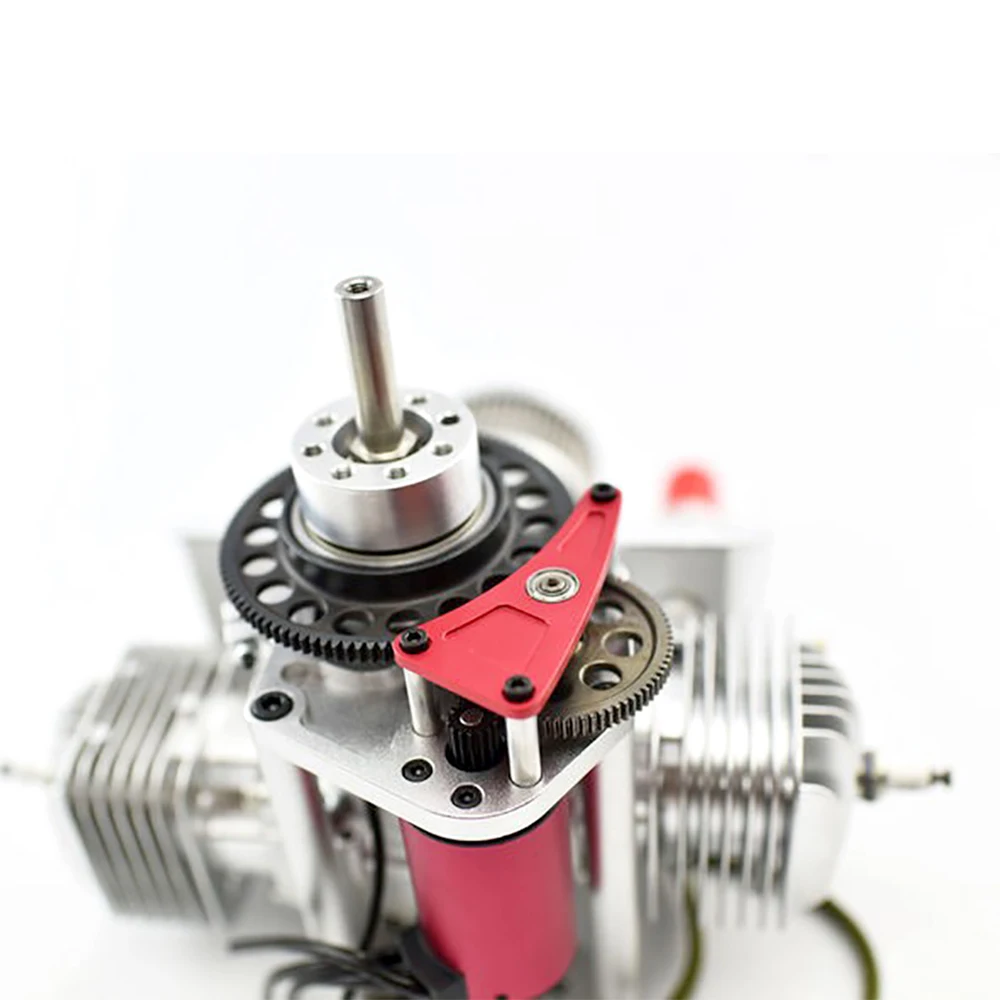
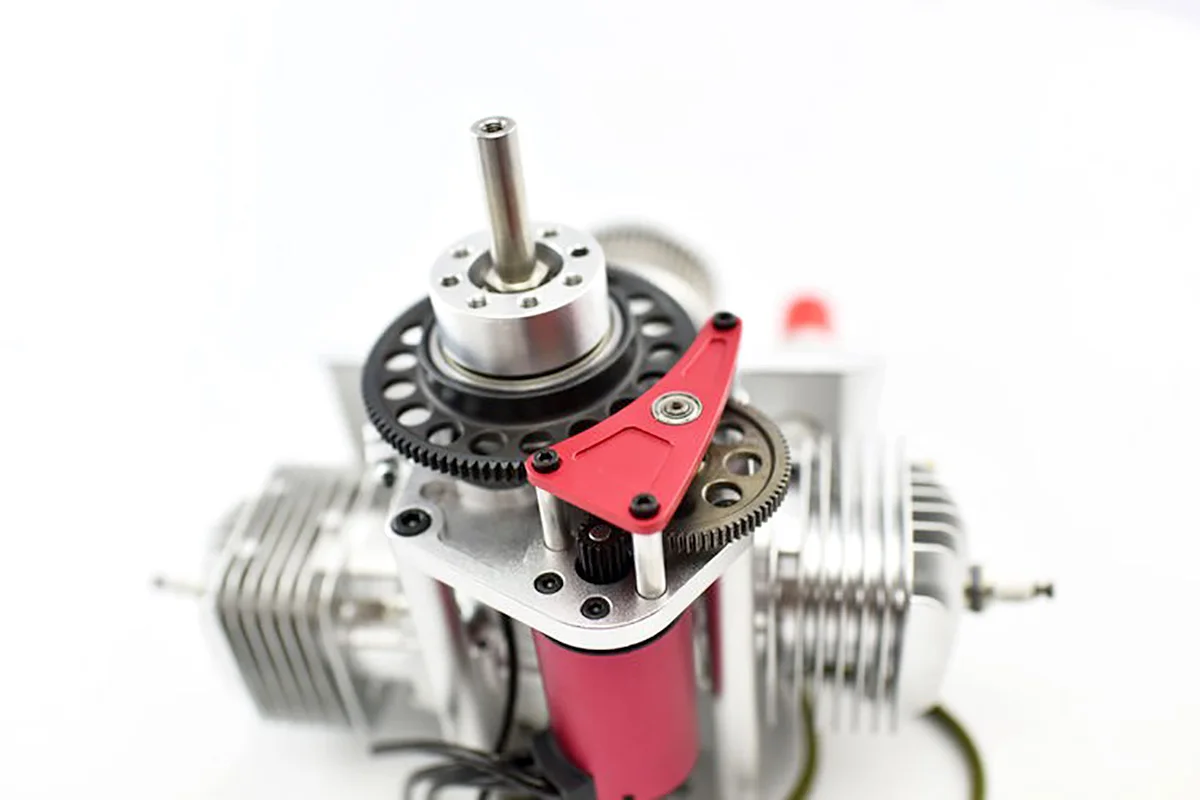
The electric starter version has an integrated starter motor assembly (standard non-electric starter versions require manual paddle start or a separate starter). The advantage of the electric starter is its integrated installation and ease of starting. The disadvantage is that it adds approximately 780g to the overall engine weight, while the electric starter adds 320g.
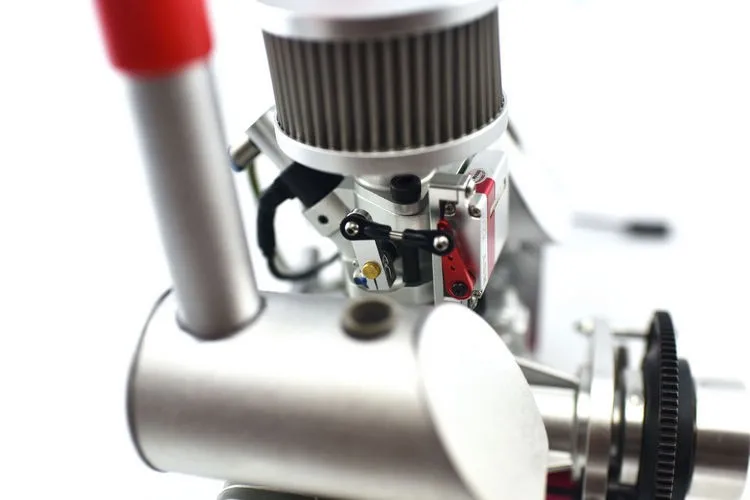
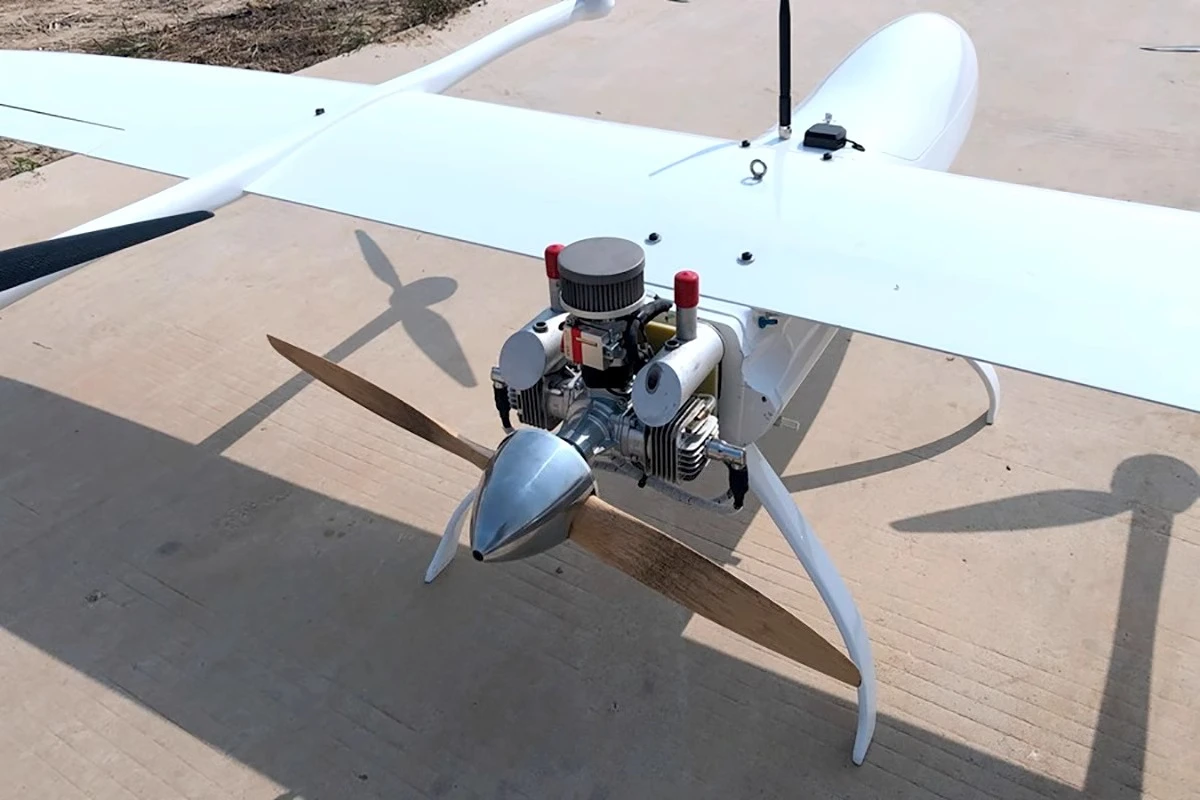
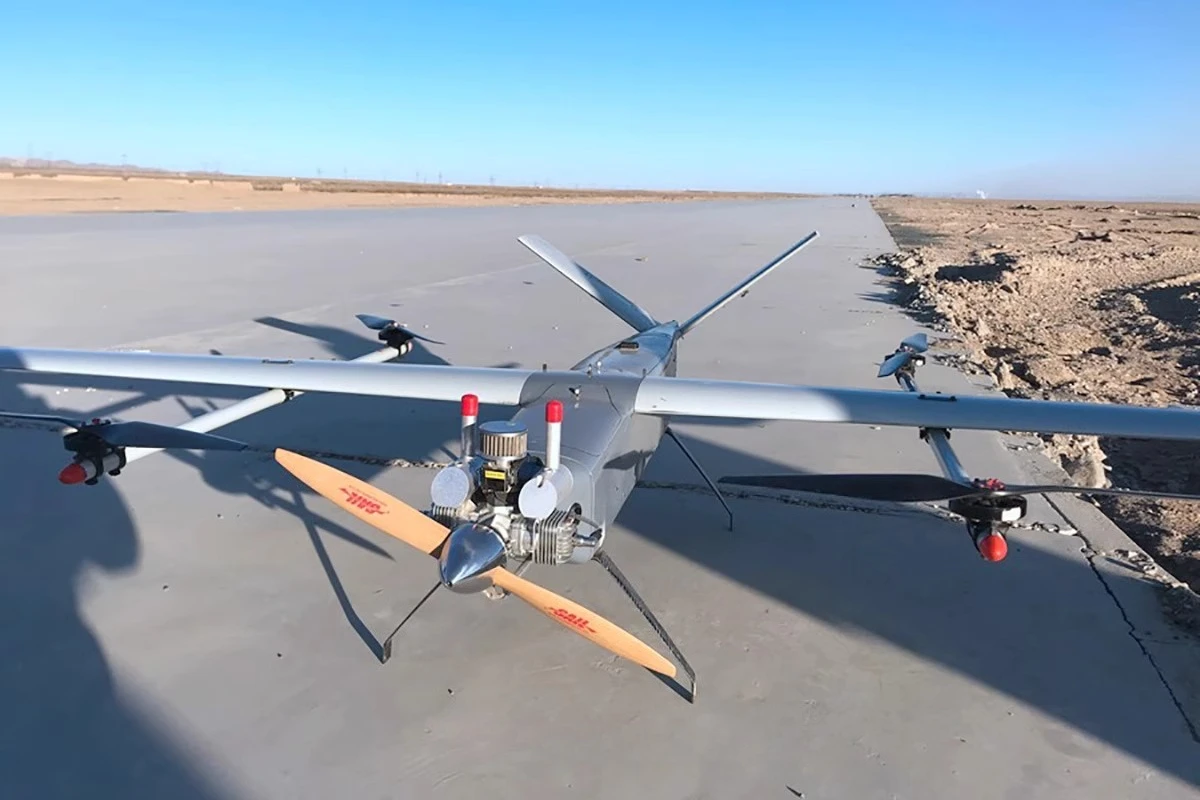
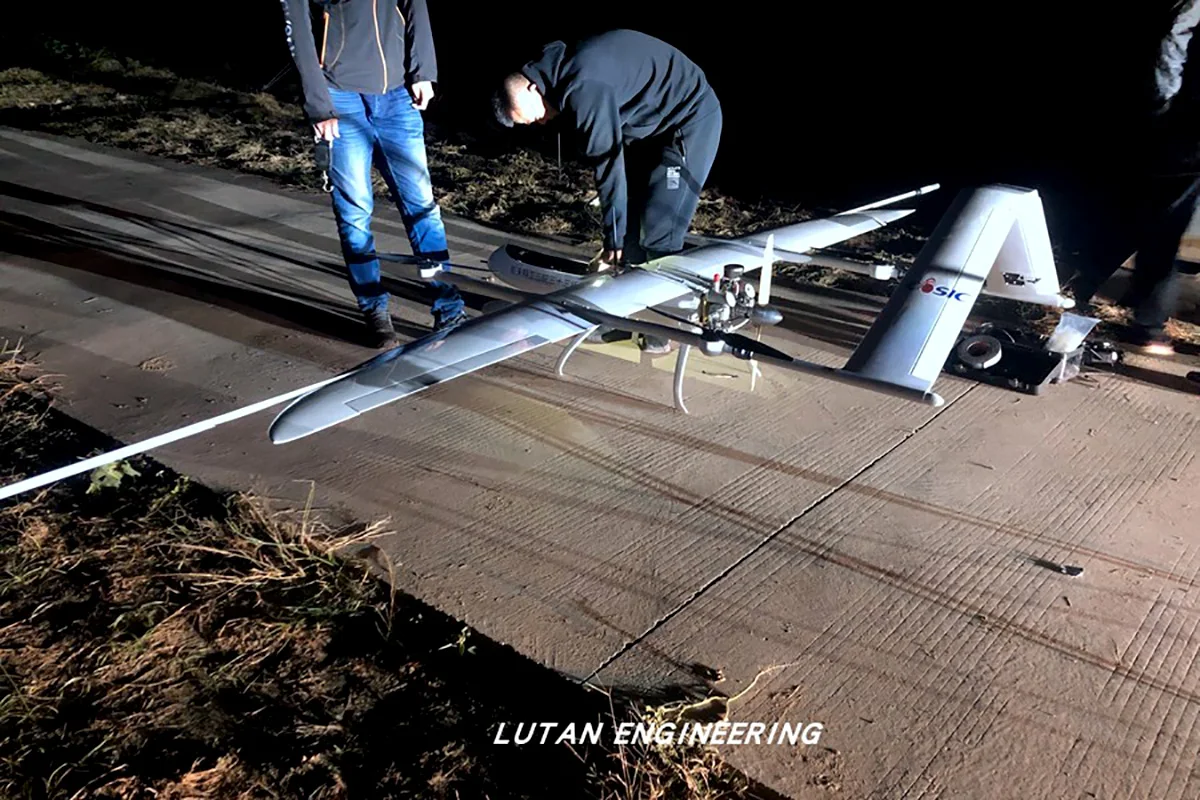
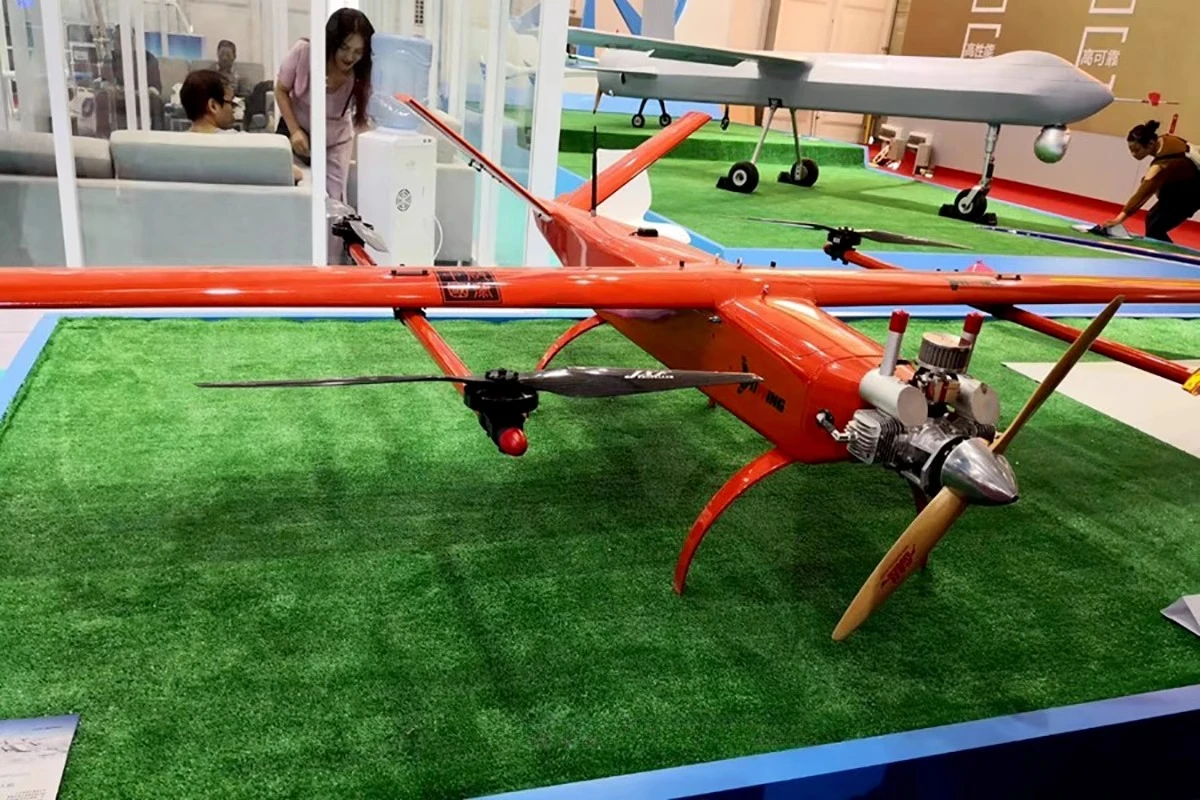
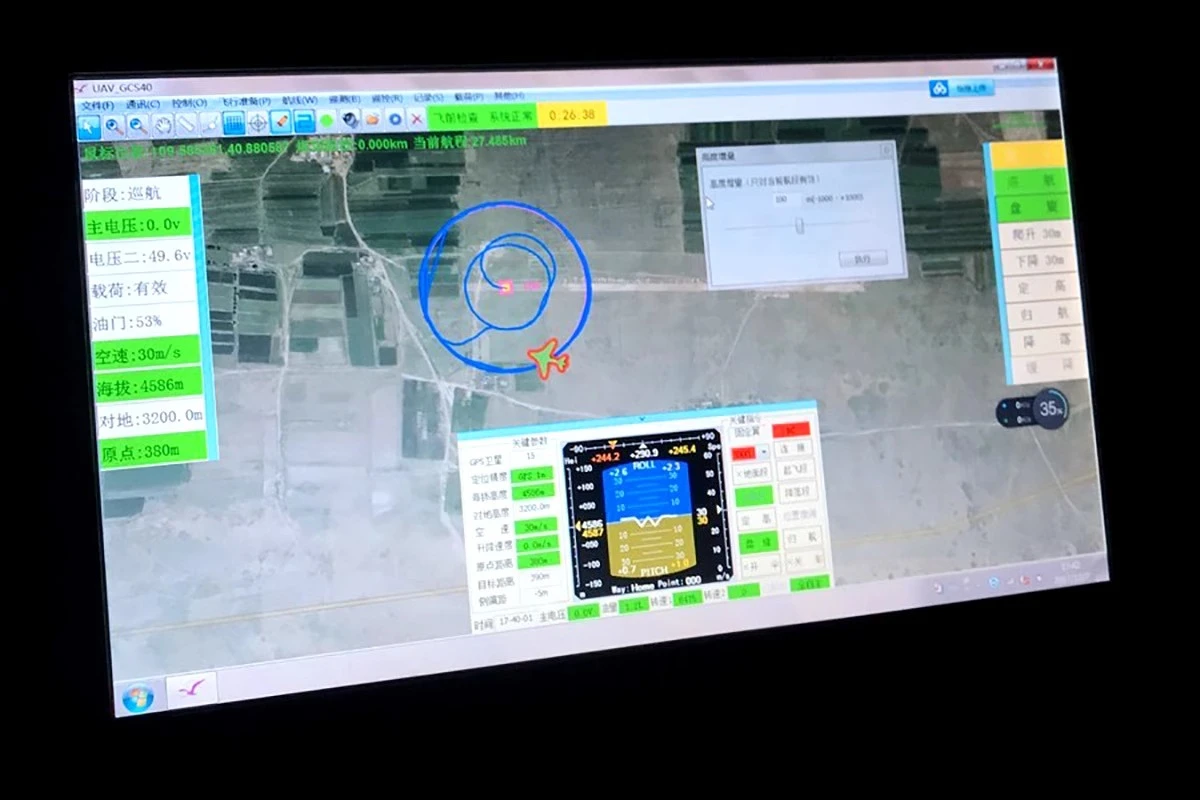
Fixed-wing UAV installation effect display:
Advantages of Electronic Fuel Injection (EFI):
Lower Fuel Consumption
EFI systems offer lower fuel consumption than carbureted engines. This is due to a sophisticated electronic control system that continuously calculates and adjusts the air/fuel ratio to maintain ideal combustion conditions. Small carburetors tend to over-enrich the engine mixture at both low and high power outputs. Carburetors are particularly inefficient under continuously changing conditions because it is difficult to achieve the ideal air-fuel ratio for all throttle positions. Effective altitude compensation is difficult with carburetors, but with EFI, altitude compensation is built into the system and operates seamlessly. While the fuel consumption reduction varies depending on the engine and conditions, it can be as much as 5% to 25% lower than a carbureted engine.
More Power
Engines equipped with EFI typically provide more power and torque than carbureted equivalents. While it's difficult to optimize power and/or torque within the speed range of a carbureted engine, an EFI system optimizes the air-fuel ratio and ignition timing across the entire operating speed range, while compensating for other factors to maintain continuous engine performance. Typically, an EFI-equipped engine produces 5% to 10% more power than a carbureted version of the same engine.
Higher Reliability
Engines equipped with EFI systems are inherently more reliable than carbureted engines. This is due to the EF1 control system maintaining an ideal air-fuel ratio during all phases of flight. Compared to carburetors, EFI systems are less susceptible to icing. This eliminates random engine stalls, spark plug soaking, and an undesirable air-fuel ratio. Carburetors are prone to failure, requiring constant adjustment and carrying a significant risk of stalling over extended periods of continuous operation due to drift in settings. EFI engines, on the other hand, maintain the same tuning throughout. This not only improves reliability but also reduces the amount of routine maintenance required.
Good Starting Performance
A major advantage of EFI systems is significantly improved cold and hot starting performance. This is due to the system's ability to calculate the ideal air/fuel mixture and the superior atomization of fuel droplets produced by fuel injection compared to carburetors. This allows the engine to start easily in a wide range of conditions, from hot summer days to cold winter days, at sea level to high altitudes.
Full Altitude Compensation
The EFI system features an altitude compensation system. By continuously monitoring ambient atmospheric pressure, the ECU continuously calculates the ideal air/fuel ratio for that altitude, while also optimizing the air/fuel ratio based on other variables (such as temperature and throttle position). Altitude compensation is difficult to achieve with a carbureted engine, especially when operating at varying altitudes. This always requires a compromise in carburetor needle adjustment, which means the air/fuel mixture will be suboptimal at least some of the time. Too rich a mixture can lead to excessive fuel consumption, while too lean a mixture can potentially damage the engine.