



HO Scale Steam Metal Train Model
Please note that you need to have HO train, track, it is recommended that HO ratio nickel alloy 18 inch track, otherwise it cannot be driven, because liquid cannot be mailed, the buyer must have strong DIY ability, you need to prepare some things yourself
You need to prepare your own: butane gas, cylinder oil (lubricating oil)
Please note that you need to have HO train, track, it is recommended that HO ratio nickel alloy 18 inch track, otherwise it cannot be driven, because liquid cannot be mailed, the buyer must have strong DIY ability, you need to prepare some things yourself
You need to prepare your own: butane gas, cylinder oil (lubricating oil)
If you don't have the ability to prepare the above fuels, lubricants, and tracks yourself, please don't buy them, you won't be able to use them
Scale: 1:87
Material: Metal
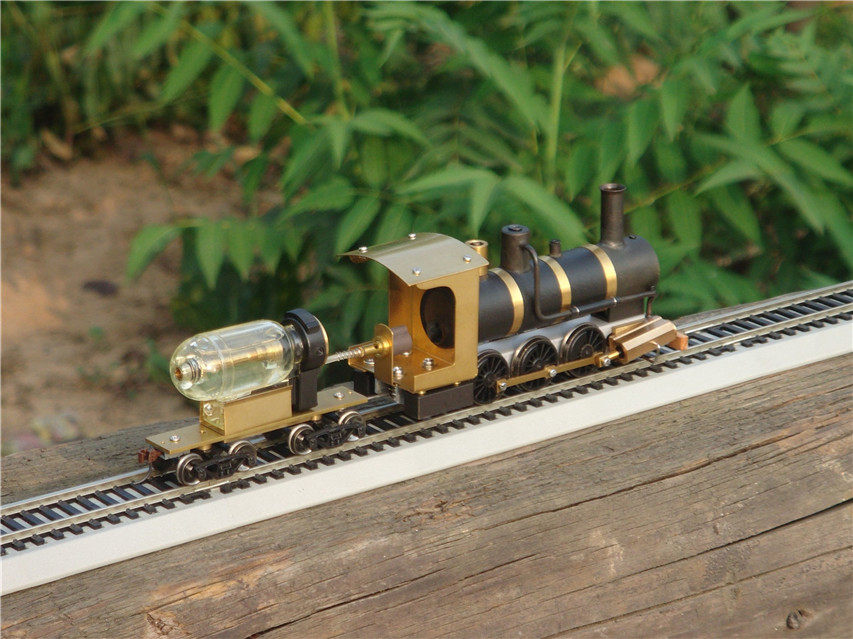
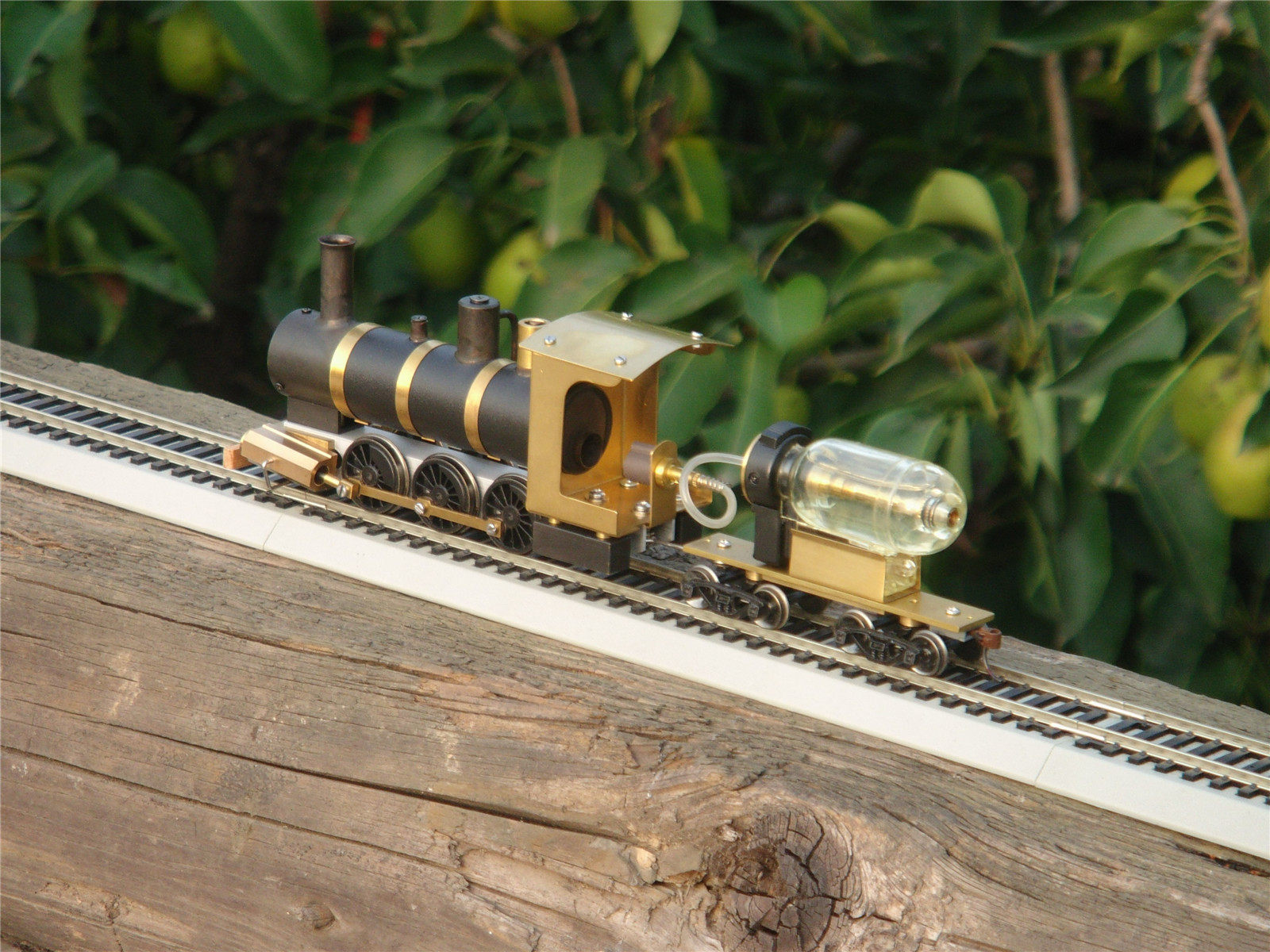
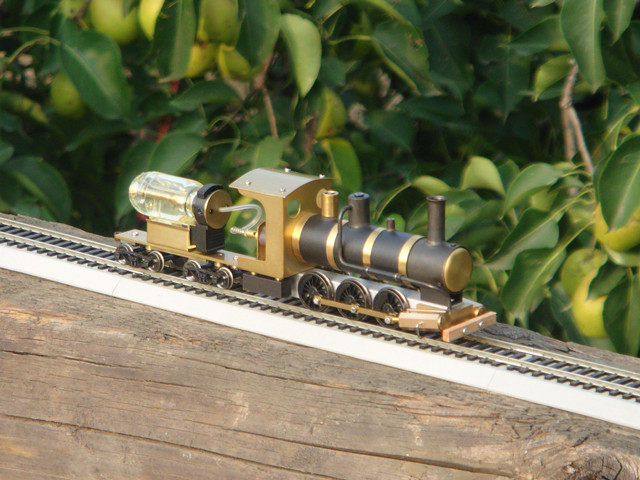
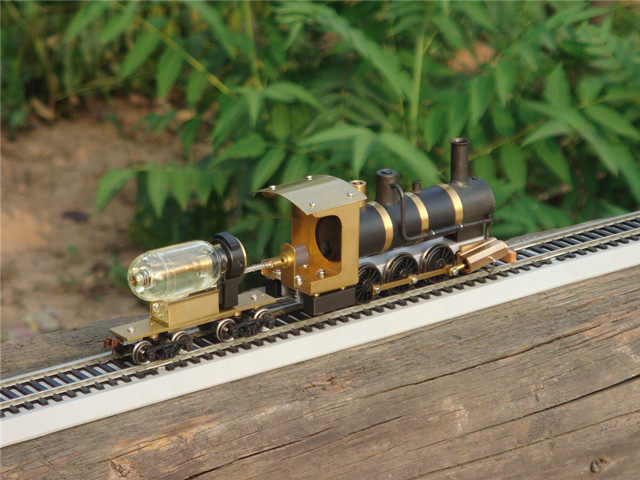
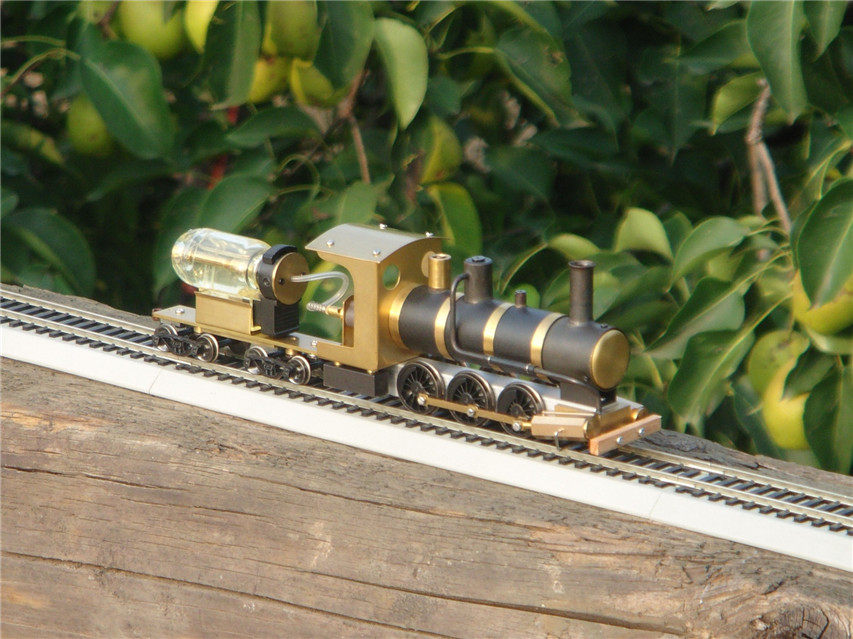
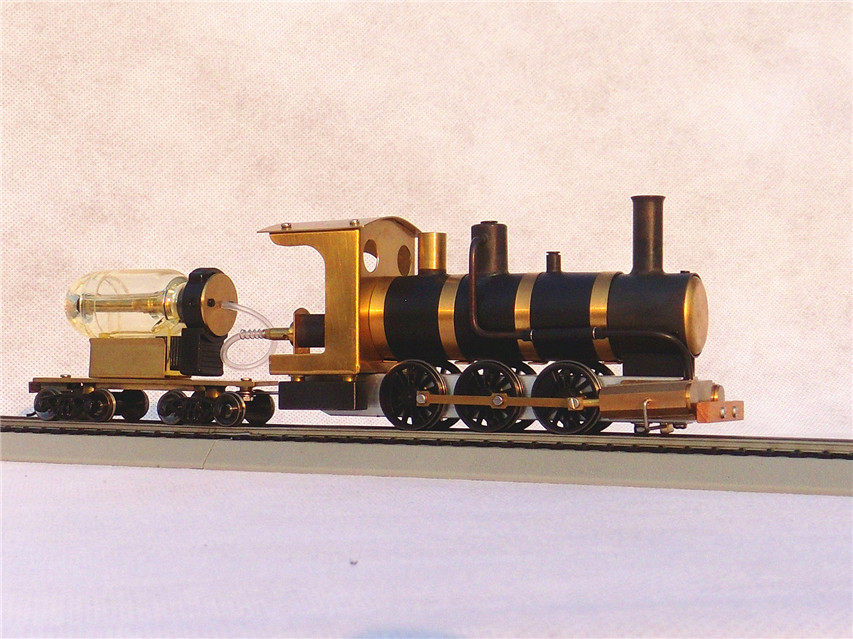
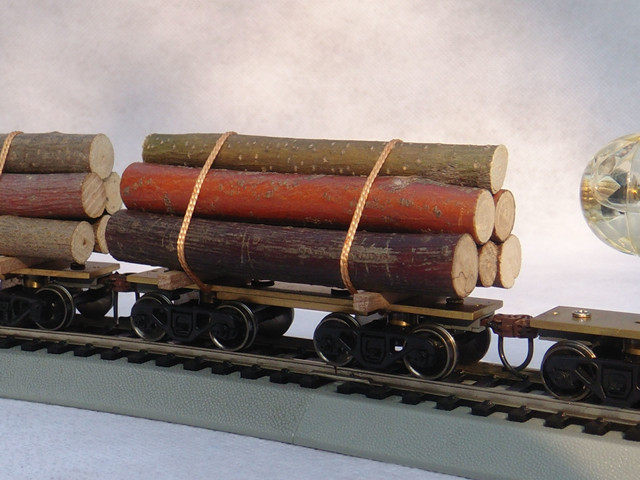
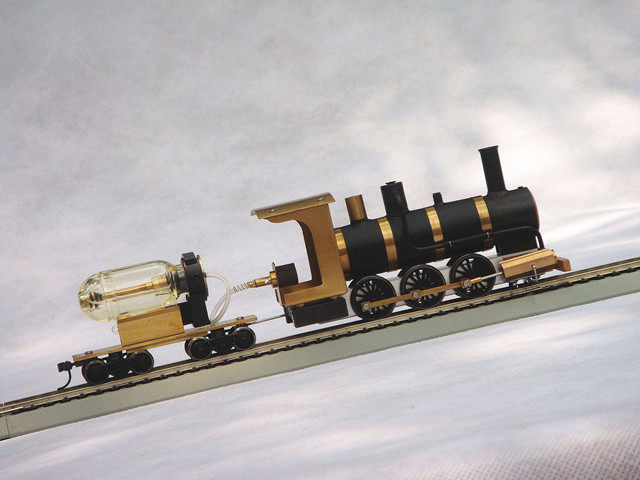
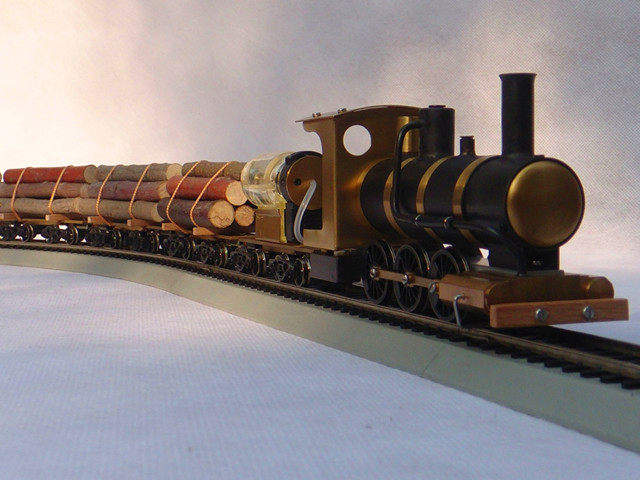
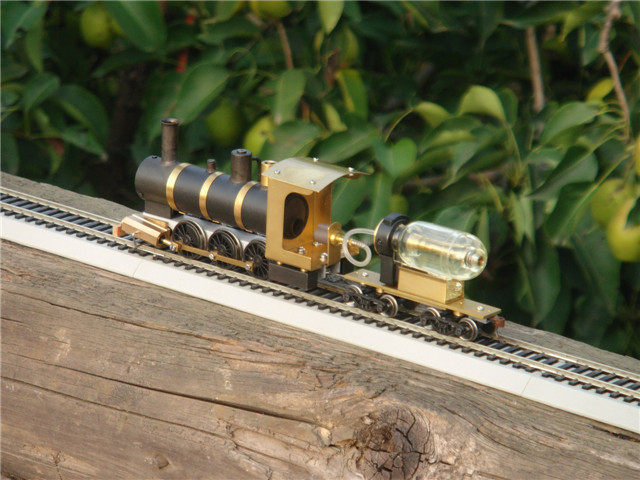
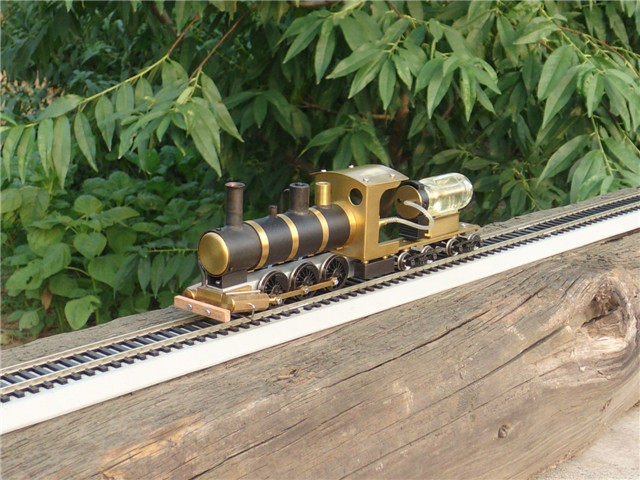
This is a highly artisan style and mechanical beauty of the HO proportional steam train model. It uses butane as fuel, burns and heats the boiler, and runs on a steam engine. The running effect is powerful and true!
Steam train model
Appearance dimensions: length 222mm (front 136mm; coal and water truck 86mm), width 39mm, height 65mm.
Net weight: 290 grams (front + water tanker)
Gauge: 16.5mm
Minimum bending radius: 422mm
Wheel type: 0-6-0
Boiler: single combustion tube; rated water injection capacity 14ml (distilled water).
Fuel: Butane gas (not included)
Running time: about 10 minutes at medium speed.
Safety valve: opening pressure about 0.18MPa
Explosive tube: breakage pressure of about 0.4MPa
Steam engine: Two-cylinder single-acting swing steam engine.
Lubricator: Displacement Lubricator
Notes:
This model is not suitable for children to operate alone. If children are present, adult supervision is required.
2 The operation site must be kept away from flammable and explosive materials.
3. Check the safety valve once a month; check whether the steam pipeline is open before each operation (see "Operation and Operation" for the method).
4. Adjust the size of the flame according to the track state. The high speed of the fire can easily lead to derailment when it is too small.
5 After ignition, do not place your hands, face and other body parts on the safety valve and above the chimney. When you gently push to start, you can wrap a Band-Aid around your fingertips or wear finger cots, gloves, etc. to protect against scalding.
6 Do not dry burn the boiler without water; if it slows down significantly during operation, immediately turn off the flame and stop to check whether the boiler is short of water; if it stops for any reason during operation, turn off the flame in time and check again. Dry burning without water can easily damage the boiler and accessories.
Operation Run:
1 Holding method: cooperate with both hands, hold the front of the car in one hand, and hold the coal water truck in the other hand. Handle with care, avoid fragile parts such as steam pipes and connecting rods when pinching.
2. Inspection: The safety valve is tested once a month; check whether the steam pipeline is clear before each operation.
Safety valve opening performance test: Fill the boiler with water, screw the wire port end of the water injection hose into the boiler water injection hole, connect it with a needle from the other end and fill it with water to pressurize. Pressure hard, if the safety valve has water overflow, the test is qualified. If the water overflows between the steam engine cylinder and the body during this process, the middle of the explosive tube can be clamped with a small clip. (How much force should be applied to the needle to break through the safety valve 0.18MPa opening threshold? You can feel it: remove the needle, extract 10ml of air, seal the outlet with your fingertip and compress the air to 3.5ml, the force used is.)
Check whether the steam pipeline is unobstructed: Drop a drop of cylinder oil at the oil injection hole of the lubricator, block the oil injection hole in a bead shape, and push the front of the car forward. If the oil beads are inhaled, the pipeline is smooth, and the series of explosive pipes can work.
In some other steam engines, the joints between the cylinder and the body will also exhibit high pressure relief.
3 Add water: Add distilled water to avoid scale formation, remember; the amount of water injection is 14ml, do not overfill, and the lack of steam chamber space above the boiler will not be easy to start and operate smoothly. The boiler capacity is 19ml, if the remaining water volume is uncertain, you can fill it up and then extract 5ml.
4 Add gas: Add butane gas.
5 Lubrication: Fill the lubricator with cylinder oil 0.2ml. Before filling, use a needle to extract the condensate generated by the last operation; do not fill the cylinder oil too much, too much will overflow into the boiler; use a glass needle to fill the cylinder oil, the rubber piston of the plastic needle is easy to expand and get stuck in contact with oil. Lubricate other operating parts with low-viscosity oil, do not use cylinder oil. Cylinder oil has high viscosity, poor wettability, easy to cause dust to form sludge and is not easy to clean.
6 Ignition: Press the gas tank switch, close the fire lock knob, and use the igniter to ignite in the front of the burner. When igniting, pay attention to the angular position of the igniter. To adjust the size of the flame, it is generally appropriate to use the length of the blue flame core not to exceed the combustion nozzle. The flame temperature of the direct-impact burner can reach 1300 degrees. If the flame is too large, it is easy to cause overspeed and the safety valve jet. If it is in a water shortage state, long-term dry burning will damage the boiler and accessories. (The boiler is made of copper, silver brazing process, the inner layer of the insulation layer is cardboard, and the outer layer is Teflon sheet.)
7 Start: nudge to start. When to nudge? (1) Observe the safety valve and the steam engine, there are signs of water, bubbling (here refers to a slight state, not a torrent jet) and nudge to start; (2) After ignition, push the front of the car to make the steam engine cylinder swing to the top or bottom position (this position has the longest working torque of the steam engine and is the easiest to drive). After observing the signs of steam engine action (usually driving to the horizontal dead center position to stop), nudge to start. The above two methods are observed synchronously, and any signs can be tried to start.
8 Flameout: The direct-impact burner is not windproof, and it can be extinguished by applying airflow from the side of the cab. It can be extinguished by blowing it out with a mouth or using a fan. For the selected method, try it before running to ensure that you have a good idea when you need to extinguish the flame. It is also emphasized that the boiler should not be dry burned for a long time. If it is significantly slowed down or stopped during operation, it should be extinguished immediately!
9 Maintenance: After running, wipe the model clean and dry it; place a little oil on the running part and implement several trips; if it is a display ornament, it is best to place it in a dust cover to avoid dust.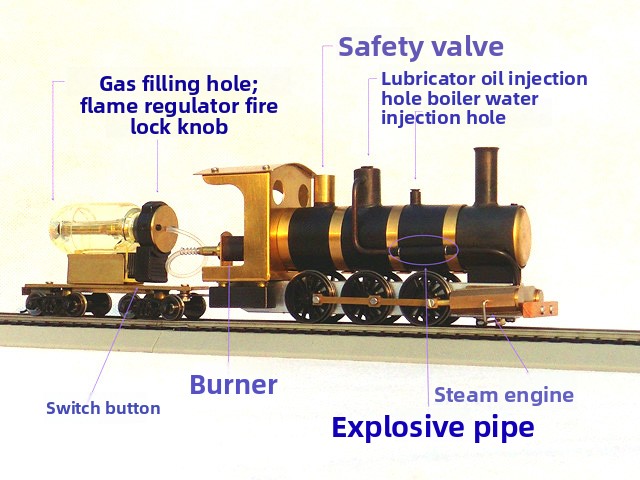

You need to prepare your own: butane gas, cylinder oil (lubricating oil)
Please note that you need to have HO train, track, it is recommended that HO ratio nickel alloy 18 inch track, otherwise it cannot be driven, because liquid cannot be mailed, the buyer must have strong DIY ability, you need to prepare some things yourself
You need to prepare your own: butane gas, cylinder oil (lubricating oil)
If you don't have the ability to prepare the above fuels, lubricants, and tracks yourself, please don't buy them, you won't be able to use them
Scale: 1:87
Material: Metal
This is a highly artisan style and mechanical beauty of the HO proportional steam train model. It uses butane as fuel, burns and heats the boiler, and runs on a steam engine. The running effect is powerful and true!
Steam train model
Appearance dimensions: length 222mm (front 136mm; coal and water truck 86mm), width 39mm, height 65mm.
Net weight: 290 grams (front + water tanker)
Gauge: 16.5mm
Minimum bending radius: 422mm
Wheel type: 0-6-0
Boiler: single combustion tube; rated water injection capacity 14ml (distilled water).
Fuel: Butane gas (not included)
Running time: about 10 minutes at medium speed.
Safety valve: opening pressure about 0.18MPa
Explosive tube: breakage pressure of about 0.4MPa
Steam engine: Two-cylinder single-acting swing steam engine.
Lubricator: Displacement Lubricator
Notes:
This model is not suitable for children to operate alone. If children are present, adult supervision is required.
2 The operation site must be kept away from flammable and explosive materials.
3. Check the safety valve once a month; check whether the steam pipeline is open before each operation (see "Operation and Operation" for the method).
4. Adjust the size of the flame according to the track state. The high speed of the fire can easily lead to derailment when it is too small.
5 After ignition, do not place your hands, face and other body parts on the safety valve and above the chimney. When you gently push to start, you can wrap a Band-Aid around your fingertips or wear finger cots, gloves, etc. to protect against scalding.
6 Do not dry burn the boiler without water; if it slows down significantly during operation, immediately turn off the flame and stop to check whether the boiler is short of water; if it stops for any reason during operation, turn off the flame in time and check again. Dry burning without water can easily damage the boiler and accessories.
Operation Run:
1 Holding method: cooperate with both hands, hold the front of the car in one hand, and hold the coal water truck in the other hand. Handle with care, avoid fragile parts such as steam pipes and connecting rods when pinching.
2. Inspection: The safety valve is tested once a month; check whether the steam pipeline is clear before each operation.
Safety valve opening performance test: Fill the boiler with water, screw the wire port end of the water injection hose into the boiler water injection hole, connect it with a needle from the other end and fill it with water to pressurize. Pressure hard, if the safety valve has water overflow, the test is qualified. If the water overflows between the steam engine cylinder and the body during this process, the middle of the explosive tube can be clamped with a small clip. (How much force should be applied to the needle to break through the safety valve 0.18MPa opening threshold? You can feel it: remove the needle, extract 10ml of air, seal the outlet with your fingertip and compress the air to 3.5ml, the force used is.)
Check whether the steam pipeline is unobstructed: Drop a drop of cylinder oil at the oil injection hole of the lubricator, block the oil injection hole in a bead shape, and push the front of the car forward. If the oil beads are inhaled, the pipeline is smooth, and the series of explosive pipes can work.
In some other steam engines, the joints between the cylinder and the body will also exhibit high pressure relief.
3 Add water: Add distilled water to avoid scale formation, remember; the amount of water injection is 14ml, do not overfill, and the lack of steam chamber space above the boiler will not be easy to start and operate smoothly. The boiler capacity is 19ml, if the remaining water volume is uncertain, you can fill it up and then extract 5ml.
4 Add gas: Add butane gas.
5 Lubrication: Fill the lubricator with cylinder oil 0.2ml. Before filling, use a needle to extract the condensate generated by the last operation; do not fill the cylinder oil too much, too much will overflow into the boiler; use a glass needle to fill the cylinder oil, the rubber piston of the plastic needle is easy to expand and get stuck in contact with oil. Lubricate other operating parts with low-viscosity oil, do not use cylinder oil. Cylinder oil has high viscosity, poor wettability, easy to cause dust to form sludge and is not easy to clean.
6 Ignition: Press the gas tank switch, close the fire lock knob, and use the igniter to ignite in the front of the burner. When igniting, pay attention to the angular position of the igniter. To adjust the size of the flame, it is generally appropriate to use the length of the blue flame core not to exceed the combustion nozzle. The flame temperature of the direct-impact burner can reach 1300 degrees. If the flame is too large, it is easy to cause overspeed and the safety valve jet. If it is in a water shortage state, long-term dry burning will damage the boiler and accessories. (The boiler is made of copper, silver brazing process, the inner layer of the insulation layer is cardboard, and the outer layer is Teflon sheet.)
7 Start: nudge to start. When to nudge? (1) Observe the safety valve and the steam engine, there are signs of water, bubbling (here refers to a slight state, not a torrent jet) and nudge to start; (2) After ignition, push the front of the car to make the steam engine cylinder swing to the top or bottom position (this position has the longest working torque of the steam engine and is the easiest to drive). After observing the signs of steam engine action (usually driving to the horizontal dead center position to stop), nudge to start. The above two methods are observed synchronously, and any signs can be tried to start.
8 Flameout: The direct-impact burner is not windproof, and it can be extinguished by applying airflow from the side of the cab. It can be extinguished by blowing it out with a mouth or using a fan. For the selected method, try it before running to ensure that you have a good idea when you need to extinguish the flame. It is also emphasized that the boiler should not be dry burned for a long time. If it is significantly slowed down or stopped during operation, it should be extinguished immediately!
9 Maintenance: After running, wipe the model clean and dry it; place a little oil on the running part and implement several trips; if it is a display ornament, it is best to place it in a dust cover to avoid dust.


